Dwarf Japanese Cedar Care Guide: Everything You Need to Know
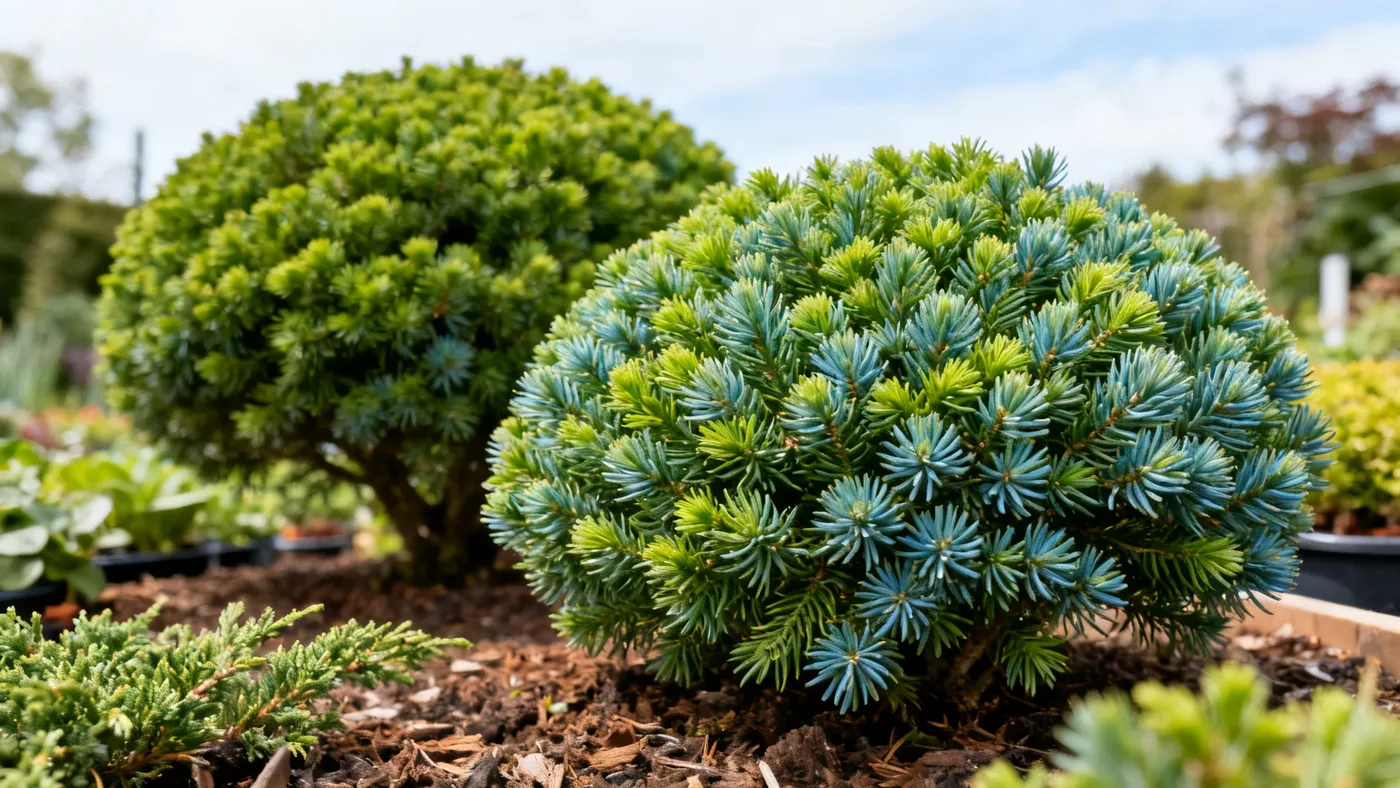
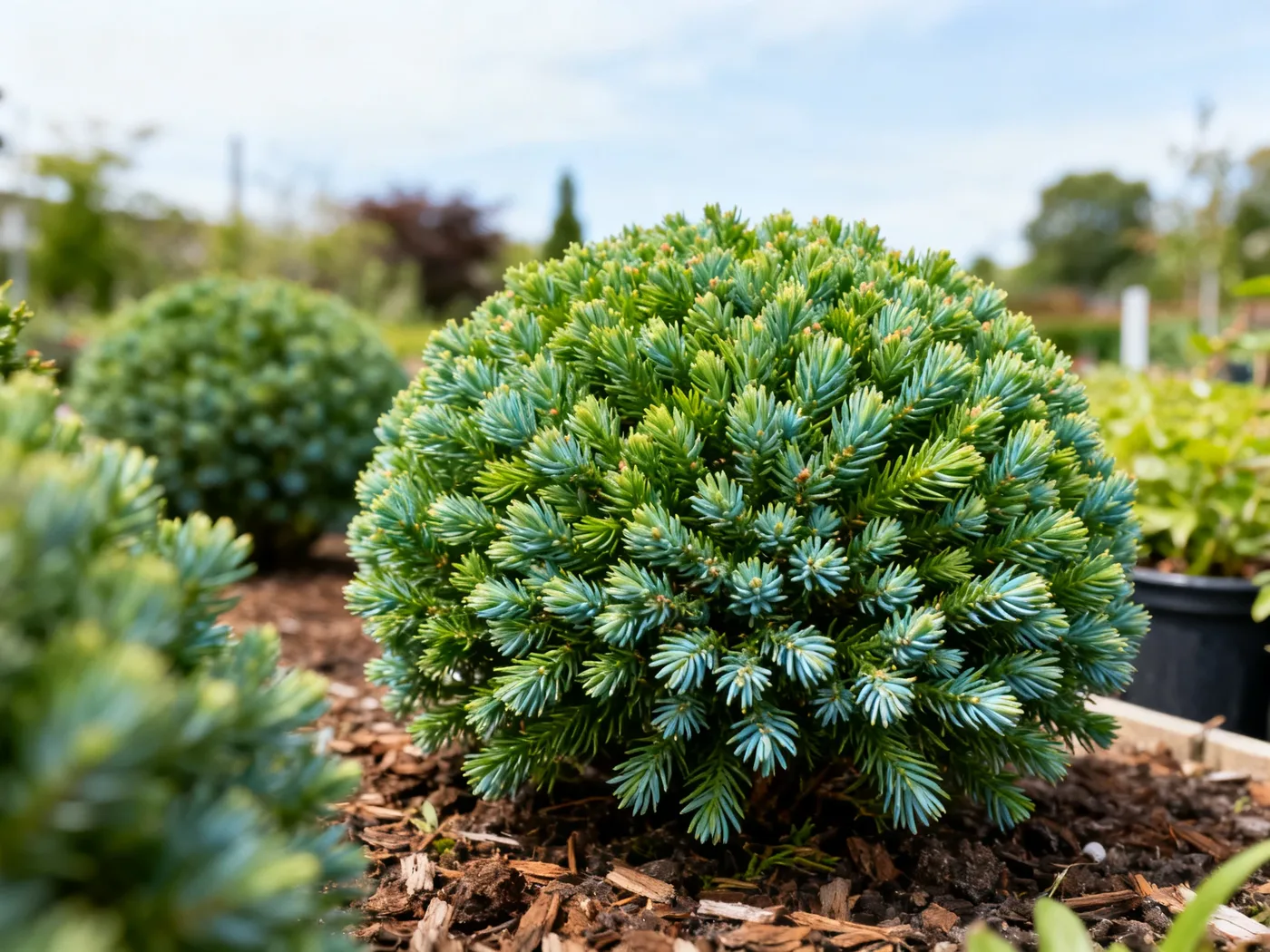
The Dwarf Japanese Cedar, botanically known as Cryptomeria japonica 'Globosa Nana', is a slow-growing evergreen shrub that brings year-round structure and soft texture to gardens across USDA zones 5 through 9. Known for its dense, mounded habit and fine, feathery blue-green foliage, this dwarf conifer works well in foundation plantings, rock gardens, and mixed shrub borders. Whether you're looking to anchor a foundation planting or add vertical interest to a container garden, dwarf Japanese cedar care is straightforward once you understand its core needs.
Key Takeaways
- Grows 3 to 6 feet tall and 4 to 6 feet wide at maturity with slow growth of roughly 3 to 6 inches per year
- Thrives in full sun to part shade; afternoon shade helps prevent foliage scorch in hot or dry climates
- Prefers consistently moist, acidic soil (pH 5.0 to 6.5) with good drainage
- Requires minimal pruning; shape in late winter if desired
- Hardy in zones 5 through 9; foliage commonly bronzes in cold winter weather and greens back up in spring
- Long-lived shrub, commonly reaching 50 or more years with proper care
Understanding Dwarf Japanese Cedar
Dwarf Japanese Cedar is an evergreen conifer from the Cupressaceae family, with origins in Japan. The dwarf forms sold in nurseries today are carefully selected cultivars bred for their compact, globe-shaped growth habit. Note that the nursery trade often sells unnamed dwarf globe selections under the generic label "Dwarf Japanese Cedar" or "Globosa Nana." Before purchasing, confirm the cultivar tag to know exactly what you're bringing home, as mature size and hardiness can shift slightly depending on the actual cultivar.
What makes this plant special for home gardeners is its predictable slowness. At roughly 3 to 6 inches of growth per year, a dwarf Japanese cedar will stay reasonably sized for a decade or more, making it ideal for foundation plantings and tight spaces. This is not a fast-growing shrub that will outgrow its spot in three years. Expect roughly 10 to 15 years to reach a substantial mature mound size, and plan for a lifespan commonly exceeding 50 years with good siting.
Planting Your Dwarf Japanese Cedar
Timing and Site Selection
Plant dwarf Japanese cedar in spring or early fall to allow root establishment before temperature extremes. Both seasons give the plant time to settle in before summer heat or winter cold stress.
For site selection, choose a location with full sun to part shade. In hot or dry climates, afternoon shade helps reduce foliage scorch. Without adequate light, the plant will thin and lose its dense mounded form. However, some afternoon shelter in regions with intense summer sun prevents the needles from drying out or browning.
Spacing and Planting Depth
When planting multiple specimens, space them 4 to 6 feet apart for mass or foundation plantings. This spacing allows each plant to reach its mature width of 4 to 6 feet without crowding.
Dig a hole roughly the same depth as the root ball and two to three times as wide. Gently loosen the roots if they are circling, backfill with amended soil, and water in thoroughly. The top of the root ball should be level with the soil surface. Avoid planting too deep, which restricts drainage and invites root rot.
Container Planting
Dwarf Japanese cedar is well-suited to container planting, particularly while young and small. Many nurseries sell these shrubs in quart, #1, or #3 containers. A container-grown specimen adds structure to patios, entries, and Asian-inspired garden designs. Use a container with drainage holes and well-draining potting mix. As the plant matures over many years, it may eventually need transplanting or root management to prevent becoming rootbound.
Soil Preparation and Drainage
Dwarf Japanese cedar prefers moist, humus-rich, well-drained soil. The pH should be acidic, roughly 5.0 to 6.5. Before planting, work compost or aged bark into the top 6 to 8 inches of soil to improve water retention and lower pH if your site is neutral or alkaline.
The plant tolerates clay soil if drainage is adequate. Standing water is the enemy. Poor drainage leads to root rot, Phytophthora root rot, and eventually plant decline. If your site is naturally wet, amend heavily with compost and consider raising the planting bed slightly to improve drainage.
If your garden soil is alkaline (above pH 7), acidifying amendments like sulfur or an acid-formulated fertilizer (such as azalea or rhododendron-type products) can help. Most home gardeners find that annual spring feeding with a light balanced or acid-formulated fertilizer keeps the plant healthy without fuss.
Watering and Moisture Management
Dwarf Japanese cedar requires medium to regular water. The plant prefers consistently moist soil, particularly during the first one to two growing seasons while roots are establishing. Do not let the soil dry out between waterings during establishment.
Once established, drought tolerance improves from poor to low or moderate. However, this plant never truly thrives in dry conditions year-round. Water deeply during dry spells, especially in summer. Check soil moisture 2 to 3 inches below the surface; if it feels dry, water thoroughly.
Overwatering or poorly drained sites cause foliage dieback and root problems faster than drought. Balance is key. In winter, reduce watering frequency but do not let the plant dry out completely, as this can stress the roots and increase winter injury.
Pruning and Maintenance
Minimal Pruning Philosophy
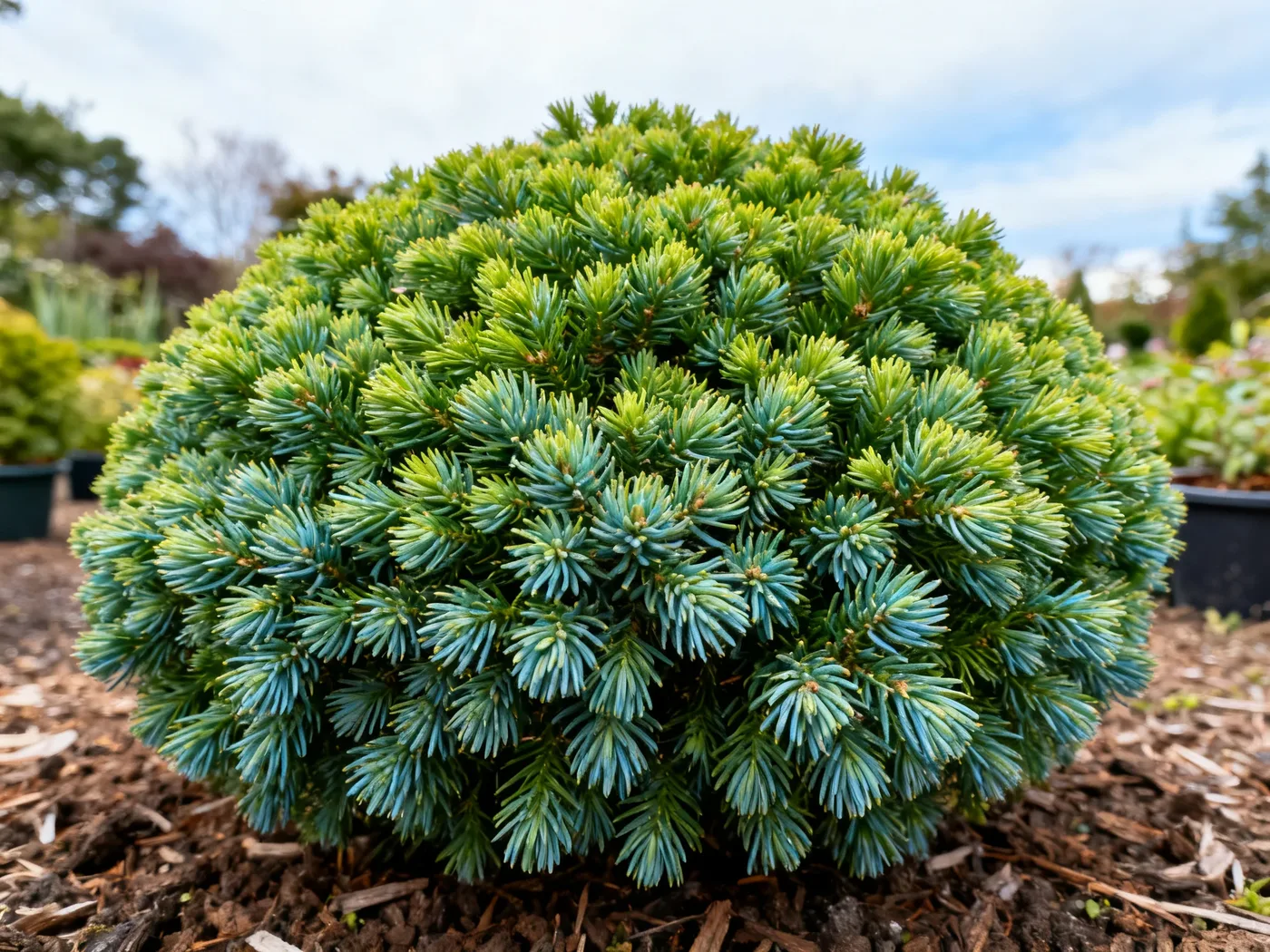
Dwarf Japanese cedar needs minimal pruning. The plant naturally forms a dense, rounded mound without aggressive cutting. Allow the plant to express its natural form unless shaping is specifically desired for design purposes.
When and How to Prune
If shaping is needed, prune in late winter to early spring, just before new growth flushes. This timing allows the plant to fill in quickly with fresh foliage. Avoid cutting into bare old wood, which may not resprout. Stick to pruning new or current season's growth and the outer canopy.
For light shaping, remove crossing branches or any wayward shoots. For specimen plants grown in containers, a light cleanup in spring keeps the form tight.
Annual Feeding
Apply a light annual feeding of balanced fertilizer or acid-formulated fertilizer (azalea or rhododendron type) in early spring as new growth begins. This supports the plant's slow but steady growth. Avoid over-fertilizing, which can cause excessive growth and weaken hardiness.
Common Pests, Diseases, and Problems
Pests
Spider mites are the most common pest on dwarf Japanese cedar, especially in hot, dry conditions. Symptoms include fine webbing and yellowing or bronzed foliage. Spray affected plants with water or use miticide if infestation is severe.
Scale insects and bagworms occasionally appear. Regular inspection helps catch infestations early. Remove bagworms by hand or prune affected branches.
Diseases
Cercospora leaf and twig blight causes spotted foliage and twig dieback. Improve air circulation and remove infected branches to prevent spread. Root rot and Phytophthora root rot occur only in poorly drained or waterlogged soil. Correct drainage is the best prevention.
Common Problems and Solutions
| Problem | Cause | Solution |
|---|---|---|
| Foliage bronzes or purples in winter | Normal seasonal color change in cold weather | No action needed; foliage greens back up in spring |
| Browning or scorch on foliage | Drought stress or strong wind in winter | Mulch root zone, provide afternoon shade, water during dry spells |
| Foliage dieback, especially in lower canopy | Waterlogged roots or poor drainage | Improve soil drainage; reduce watering frequency |
| Fine webbing, yellowed needles | Spider mite damage in hot, dry conditions | Spray foliage with water; use miticide if severe |
Seasonal Care and Winter Interest
Spring is the time to feed, prune if needed, and check for any winter injury. Remove dead twigs or branches. Begin regular watering as new growth emerges.
Summer care focuses on consistent moisture. Water during dry spells and monitor for spider mites in hot weather. Mulch the root zone with 2 to 3 inches of bark or compost to keep soil cool and retain moisture.
Fall is when foliage commonly takes on a bronze or purple winter cast. This is a normal and reversible color change tied to cold temperatures and is not disease or damage. Reduce watering as growth slows.
Winter interest is one of the dwarf Japanese cedar's strengths. The evergreen structure and bronze-purple foliage add color and form to the winter landscape. The plant is hardy in zones 5 through 9, so it withstands typical winter cold in those regions. In zone 5, where temperatures can drop well below freezing, the bronzing is especially pronounced. Come spring, as temperatures warm, the foliage greens back up.
Companion Plants and Design Uses
Dwarf Japanese cedar pairs beautifully with other acid-loving plants such as Japanese maple, azalea, hosta, and fern. The soft texture of the cedar contrasts nicely with the fine, delicate foliage of Japanese maples and the bolder leaves of hostas.
Use dwarf Japanese cedar as a foundation planting near building entryways, in rock gardens for year-round structure, or as an accent specimen in Asian-inspired garden designs. The dense, rounded mound also works well in mixed conifer and shrub borders, adding depth and continuity.
The resinous foliage is generally low-preference for deer, so this plant offers good deer resistance in gardens where browsing is a concern, though it is not deer-proof in high-pressure areas.
Quick Reference Checklist
| Care Aspect | Details |
|---|---|
| Hardiness | USDA zones 5-9 |
| Mature height | 3-6 feet (varies by cultivar and age) |
| Mature width | 4-6 feet, dense rounded mound |
| Growth rate | Slow, roughly 3-6 inches per year |
| Sun exposure | Full sun to part shade; afternoon shade in hot climates |
| Water needs | Medium to regular; consistently moist, not waterlogged |
| Soil pH | Acidic, 5.0-6.5 |
| Soil type | Moist, humus-rich, well-drained |
| Spacing | 4-6 feet apart for mass plantings |
| Planting season | Spring or early fall |
| Pruning | Minimal; late winter to early spring if shaping needed |
| Annual feeding | Light application in early spring (balanced or acid-type fertilizer) |
| Common pests | Spider mites, scale, bagworms |
| Drought tolerance | Low to moderate once established; poor when young |
| Salt tolerance | Low; avoid coastal spray and de-icing salt |
| Toxicity | Not known to be toxic to pets or people |
| Container suitable | Yes, especially while young; may need eventual transplant as it matures |
| Lifespan | Long-lived, commonly 50+ years |
Growing dwarf Japanese cedar successfully comes down to matching the plant's core needs: acidic, well-drained soil, consistent moisture during establishment, and a location with good light. Once settled in, this slow-growing shrub demands little beyond occasional watering and minimal pruning. With proper care, your dwarf Japanese cedar will provide decades of evergreen structure and seasonal interest, anchoring foundation plantings, rock gardens, and container displays with its fine, feathery foliage and dense mounded form.