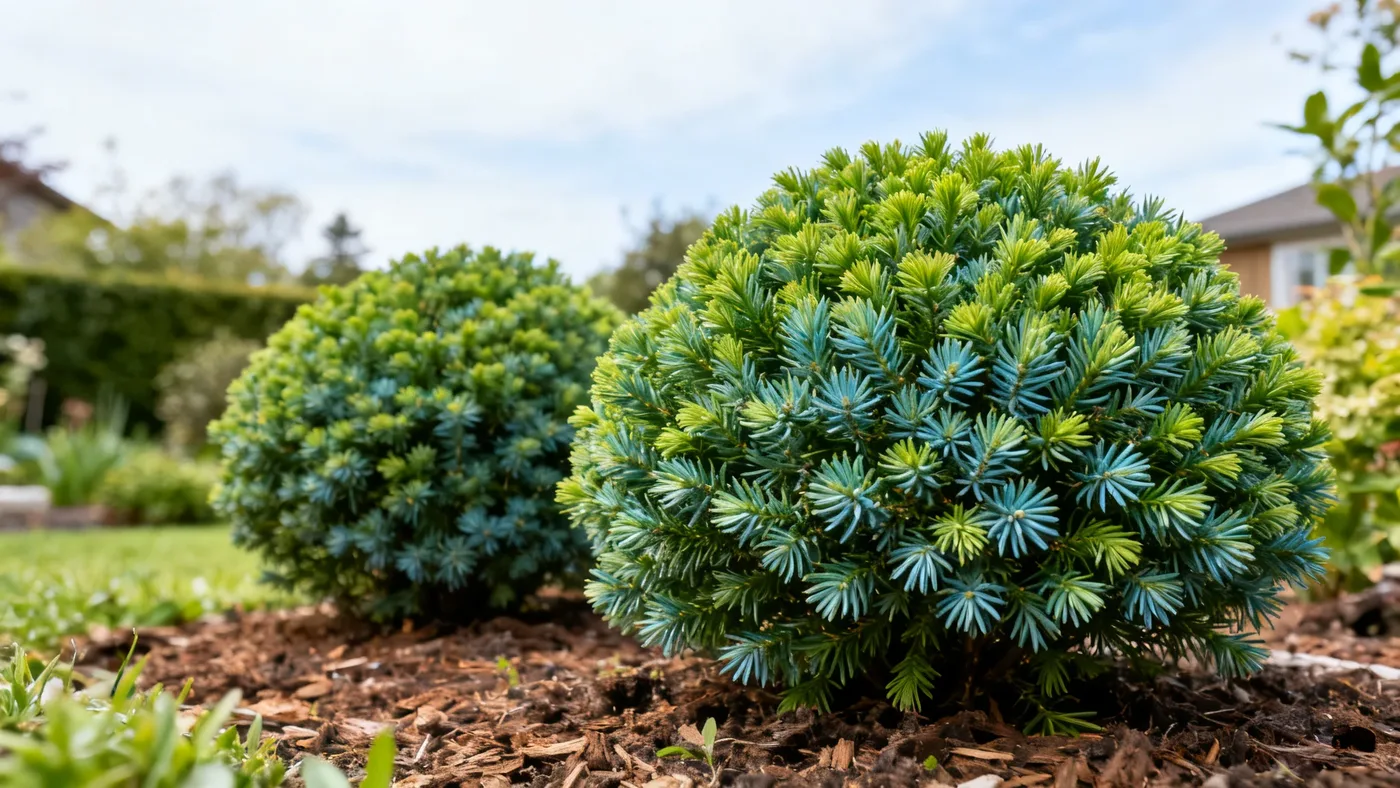
Winter Care for Dwarf Japanese Cedar in Cold Climates
Dwarf Japanese Cedar thrives in USDA zones 5 through 9, but winter in the northern half of that range brings real challenges. Cold temperatures, wind, salt, and frozen soil can stress your plant. The good news: with proper preparation in fall and strategic care through winter, these slow-growing evergreens handle cold well and bounce back stronger in spring.
What Happens to Dwarf Japanese Cedar in Winter
Before you winterize, understand what your plant naturally does. In fall and winter, the foliage of Dwarf Japanese Cedar often takes on a bronze or purple cast. This is normal. It is not a sign of disease or damage. As temperatures warm in spring, the foliage greens back up. This color shift is part of the plant's seasonal rhythm, not a problem to fix.
However, other winter stresses are worth preventing. Cold wind can scorch foliage. De-icing salt damages roots and foliage. Frozen, waterlogged soil kills roots. Snow and ice load can crack branches if the plant is young or exposed. Your job is to buffer these risks without fighting the plant's natural winter dormancy.
Materials and Supplies You Will Need
- Mulch (pine bark, compost, or aged leaves), 3 to 4 inches depth
- Burlap or frost cloth (optional, for young plants or very exposed sites)
- Sturdy wooden stakes or tomato cages (if wrapping branches)
- Twine or soft plant tie material
- Granular or liquid balanced fertilizer (to apply in early spring)
- Watering can or hose with spray nozzle
- Pruning shears (for removing broken branches after winter)
You do not need elaborate frost blankets or burlap wraps for plants in zones 6-9, or for mature plants (3-5 years old or larger). Young plants in zone 5, or those in very windy or exposed sites, benefit from simple burlap protection.
Step-by-Step Winter Care Instructions
Step 1: Apply Mulch in Late Fall (October to Early November)
Once the ground begins to cool but before the hard freeze, apply 3 to 4 inches of mulch around the base of your plant. Spread it in a ring, keeping the mulch 1 to 2 inches away from the stem to prevent rot.
Mulch serves two purposes. It insulates the root zone, keeping soil from freezing solid. It also buffers temperature swings that can heave young plants out of the ground. Dwarf Japanese Cedar has shallow roots, so this layer of protection matters.
Step 2: Water Thoroughly Before the Ground Freezes
Give your plant a deep watering in late fall if rain has been scarce. Aim to saturate the soil to 6 to 8 inches deep. Do this a week or two before the first hard freeze so the water has time to settle.
A hydrated plant is more cold-hardy than a dry one. Winter drying is a real problem. Evergreens lose moisture through their foliage even when the soil is frozen, and they cannot replace that water. Starting winter with moist (not waterlogged) soil gives them a buffer.
Do not water again until spring unless you have a long, dry winter and the ground thaws for a few days. In most years, winter snow and ice provide all the water the plant needs.
Step 3: Check Drainage Before Winter Arrives
Dwarf Japanese Cedar dislikes standing water and waterlogged soil in any season, but the risk is highest in winter. If water pools around your plant after rain or snow melt, consider creating a shallow berm or swale to direct water away. Alternatively, transplant the shrub to a slightly raised spot in spring.
If your soil is heavy clay, amend it with compost or peat to improve drainage. Dwarf Japanese Cedar prefers moist, humus-rich, well-drained soil with a pH around 5.0 to 6.5. Clay soils that hold water too long invite root rot and phytophthora fungal problems.
Step 4: Protect Young Plants from Wind and Salt (Zones 5-6)
If your plant is less than 3 years old, less than 2 feet tall, or is planted in an exposed, windswept location, consider wrapping it loosely with burlap. Drive a stake or two into the ground on the windward side and wrap the burlap gently around the plant, securing it with twine. The wrap should be loose enough that air circulates inside; it is not a cocoon.
If your property receives de-icing salt (from road spray or from salt-based ice melt you apply), keep the salt away from your plant. Salt damages evergreen foliage and kills roots. Dwarf Japanese Cedar has low salt tolerance. Use salt-free ice melt alternatives, or place a low burlap screen on the salty side to deflect spray.
Step 5: Avoid Heavy Pruning Until Late Winter or Early Spring
Do not prune in fall or early winter. Pruning stimulates tender new growth that will be killed by freezing temperatures. If a branch breaks under snow load, leave it alone until late winter. In late January through early March, when daytime temperatures warm slightly but growth has not yet flushed, you can remove dead wood or shape the plant.
When you do prune, avoid cutting into bare old wood, which may not resprout. Dwarf Japanese Cedar grows slowly, so patience with the plant's form is rewarded. A small misshapen branch is less of a loss than a large section that fails to regrow.
Step 6: Monitor for Serious Winter Damage
Check your plant every 2 to 3 weeks during winter if the snow cover is heavy or if ice storms pass through your area. Look for branches bent down by snow or ice weight. If a branch is still flexible and only resting under the load, gently brush the snow away and let it straighten. If it is cracked or broken, remove the branch with pruning shears once spring arrives.
Foliage that turns brown or black after an ice storm may recover or may be dead, depending on the severity. Hold off pruning it for at least 6 weeks into spring so you can see which parts green back up.
Managing Winter Bronzing: What Is Normal
Dwarf Japanese Cedar commonly develops bronze, purple, or even reddish tones in cold winter weather. This is a seasonal color shift, not a disease or sign of stress. The green color returns in spring as temperatures warm.
This winter color change is more pronounced in plants that sit in full sun and cold wind. Plants with some afternoon shade or shelter may retain their green color longer.
Do not treat winter bronzing with fungicides, nutrients, or other interventions. The color change is part of the plant's natural physiology and will resolve on its own.
Early Spring Recovery Steps
Once the ground thaws and new growth begins to emerge (usually April to May, depending on your zone), your care shifts:
- Remove the mulch ring back 2 to 3 inches from the stem once the danger of frost heave has passed. Leave the rest in place to suppress weeds and conserve moisture during spring growth.
- Resume regular watering if spring is dry. Dwarf Japanese Cedar prefers consistently moist (not wet) soil while actively growing.
- Apply a light annual feeding with a balanced or acid-formulated fertilizer (such as an azalea or rhododendron formula) in early spring, following the product label. Avoid over-fertilizing, which weakens the plant and encourages disease.
- Remove any dead wood you identified during winter. Cut back to green, healthy tissue.
Common Winter Care Mistakes to Avoid
Do not wrap mature plants (over 5 years old, 4 feet wide or larger) in heavy burlap or frost cloth unless they are in an unusually severe climate or very windy site. Wrapping can trap moisture and encourage fungal disease, and most established plants do not need it.
Do not apply fresh fertilizer in fall or winter. Winter feeding can stimulate tender growth that freezes back and stresses the plant. Wait until spring.
Do not apply anti-desiccant spray (marketed as "winter guard" or similar). These coatings may reduce winter color shift, but they also reduce the plant's ability to shed water and can trap fungal spores, doing more harm than good.
Do not overwater in winter. The soil should be moist, not saturated. Waterlogged, frozen soil invites root rot. Once the soil freezes, no watering is needed until spring thaw.
Do not prune in early fall to "prepare" the plant for winter. Pruning removes the energy reserves (stored carbohydrates) the plant relies on to survive cold weather. Prune only in late winter to early spring.
Expected Results
With proper winter care, Dwarf Japanese Cedar in zones 5-9 can be expected to tolerate winter without significant dieback or damage. Young plants will grow slowly through this dormant season (roughly 3 to 6 inches per year during the growing season, even less in winter). Established plants should maintain their dense, rounded mound form and show no foliage loss beyond the natural seasonal bronzing.
Spring greenup typically occurs 2 to 4 weeks after daytime temperatures consistently exceed 50°F, though the exact timing depends on your microclimate and how much cloud cover you receive. Do not be alarmed if your plant stays bronze well into May in a cool spring; this is normal for Dwarf Japanese Cedar in northern zones.
Winter Care for Dwarf Japanese Cedar: Quick Reference Checklist
| Task | Timing | Notes |
|---|---|---|
| Apply 3-4 inch mulch ring | Late October to early November | Keep 1-2 inches away from stem |
| Deep watering | 1-2 weeks before first hard freeze | Saturate to 6-8 inches; do not overwater |
| Check/improve drainage | Before winter | Prevent standing water and root rot |
| Wrap young/exposed plants (zones 5-6) | December | Loose burlap only; mature plants usually do not need wrapping |
| Monitor for snow/ice damage | Every 2-3 weeks during heavy snow | Gently brush snow; do not prune until spring |
| Remove dead branches | Late January to early March | Prune only during late winter; avoid cutting bare old wood |
| Resume watering/feeding | April to May (spring growth) | Light balanced or acid-formulated fertilizer; consistent moisture |
For more details on year-round care, see our complete Dwarf Japanese Cedar care guide. If you are unsure whether your plant is winter-hardy in your location, check our guide on what zones Dwarf Japanese Cedar grows in.