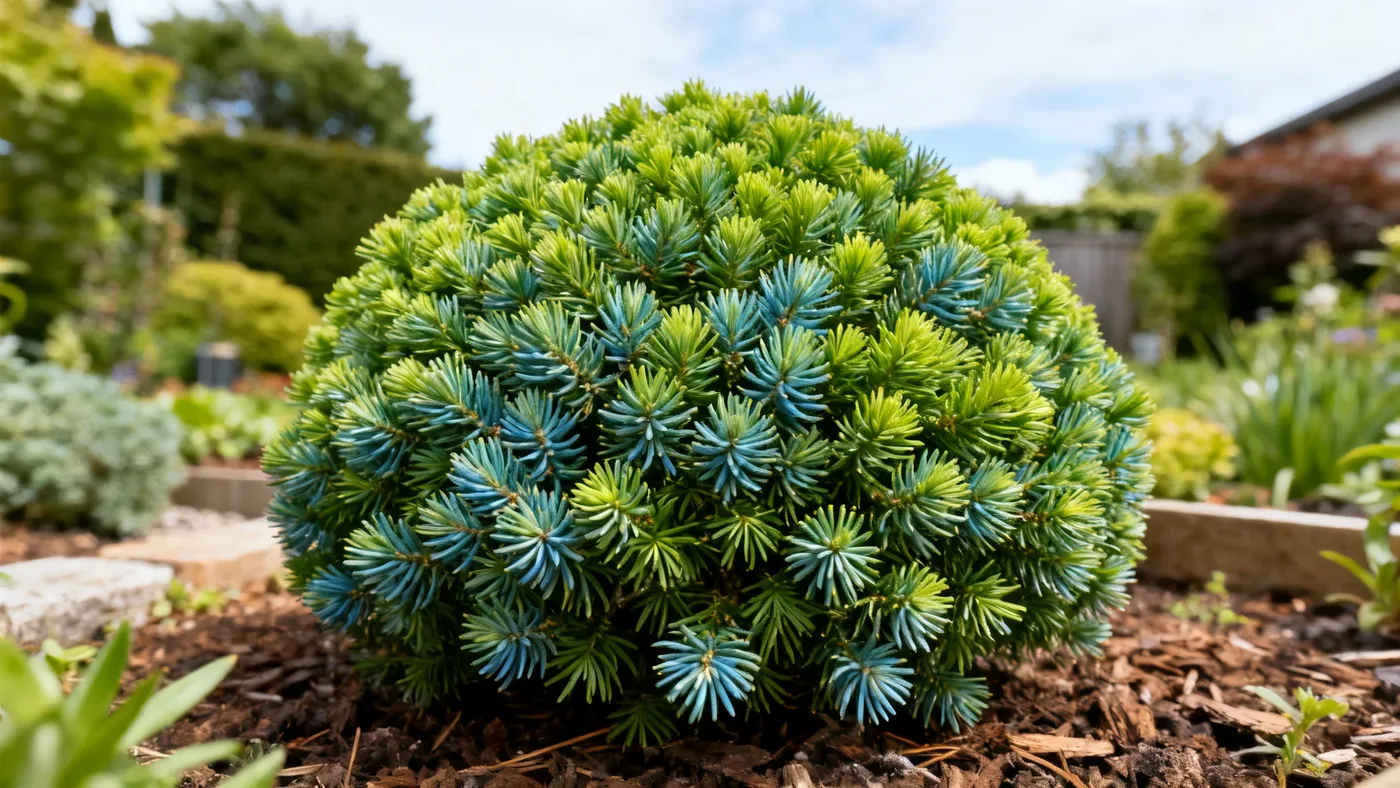
What Zones Does Dwarf Japanese Cedar Grow In?
Dwarf Japanese Cedar thrives in USDA hardiness zones 5 through 9, making it a reliable choice for most of the continental United States. This evergreen conifer is hardy to zone 5, where winter temperatures can dip to 20 degrees Fahrenheit or colder, but it also tolerates the warmth of zone 9. Whether you live in the cold Upper Midwest or the milder Southeast, this guide answers your most pressing questions about growing Dwarf Japanese Cedar across different zones.
Zone and Hardiness Basics
What hardiness zones are best for Dwarf Japanese Cedar?
Dwarf Japanese Cedar grows best in USDA zones 5 through 9, with reliable winter survival throughout this range. The plant becomes increasingly heat-stressed in zones 9 and hotter, so if you garden in the warmest regions, afternoon shade becomes more critical for foliage health.
Is Dwarf Japanese Cedar cold hardy in zone 5?
Yes, Dwarf Japanese Cedar is hardy to zone 5, where winter temperatures routinely fall below 20 degrees Fahrenheit. This plant has proven performance in cold regions like Minnesota, Wisconsin, and the northern Great Lakes, making it one of the hardier dwarf conifers for severe winter climates.
How cold hardy is Dwarf Japanese Cedar?
Dwarf Japanese Cedar withstands winter temperatures down to approximately minus 15 degrees Fahrenheit when well established, which covers the hardiness range for zones 5 through 9. Young plants that have not yet developed deep root systems may suffer more in the first winter after planting than mature specimens, so proper establishment care is essential.
Can I grow Dwarf Japanese Cedar in zone 4?
Zone 4 falls outside the recommended hardiness range for Dwarf Japanese Cedar; winter temperatures in zone 4 typically dip below minus 20 degrees Fahrenheit, which exceeds the plant's cold tolerance. If you live in zone 4, you may experience winter dieback or complete plant loss, especially in harsh years.
Is Dwarf Japanese Cedar suitable for zone 9?
Dwarf Japanese Cedar survives in zone 9, but heat and humidity become limiting factors rather than cold. In the warmest parts of zone 9, provide afternoon shade to prevent foliage scorch, and ensure consistent moisture during summer droughts to keep the plant healthy.
Zone-Specific Growing Challenges
What challenges do I face growing Dwarf Japanese Cedar in zone 5?
In zone 5, the main concern is ensuring adequate establishment before the first harsh winter. Plant in spring or early fall to allow several months of root development before extreme cold arrives, and avoid planting in late autumn when the plant lacks time to settle in.
Are zones 6 and 7 ideal for Dwarf Japanese Cedar?
Yes, zones 6 and 7 offer nearly ideal growing conditions for Dwarf Japanese Cedar, with winter cold that tests hardiness but rarely exceeds the plant's limits. These zones also provide moderate summer temperatures and humidity, reducing stress from drought or heat scorch.
What should I know about growing Dwarf Japanese Cedar in zones 8 and 9?
In zones 8 and 9, provide afternoon shade, especially during the hottest months, to prevent foliage browning and stress. Consistent soil moisture becomes more critical in these warmer zones because the plant has low drought tolerance while establishing, even after it matures.
Can Dwarf Japanese Cedar handle coastal or de-icing salt zones?
No, Dwarf Japanese Cedar has low salt tolerance and should not be planted near coastal salt spray or in areas where de-icing salts are regularly applied. If you live in a coastal zone or near salted roadways, choose a protected location away from salt exposure or select a more salt-tolerant conifer.
Winter Appearance and Care
Why does my Dwarf Japanese Cedar turn bronze or purple in winter?
Winter bronzing or purpling of the foliage is a completely normal seasonal response to cold temperatures and is not a sign of disease or stress. The foliage will return to its typical blue-green color as temperatures warm in spring.
Should I wrap or protect my Dwarf Japanese Cedar for winter?
Well-established Dwarf Japanese Cedar does not need winter wrapping or protection in its hardiness zones. Young plants benefit most from consistent moisture during their first year, but excessive mulching or protective barriers can trap moisture and cause more problems than they solve.
Do I need to water Dwarf Japanese Cedar in winter?
During dormancy, established plants need minimal watering, but newly planted specimens benefit from occasional watering if winter is dry and temperatures rise above freezing. Evergreens continue to lose some moisture through their needles even in winter, so a soaking before the ground freezes helps young plants survive their first winter.
Are there winter wind concerns in colder zones?
Yes, strong winter winds in zones 5 and 6 can desiccate evergreen foliage, especially in newly planted specimens. Plant in a location with some windbreak protection, and ensure adequate soil moisture before winter dormancy to help the plant resist cold wind damage.
Transitioning Between Zones
If I move to a different hardiness zone, can I transplant my Dwarf Japanese Cedar?
Transplanting an established Dwarf Japanese Cedar to a warmer zone usually succeeds, but moving it to a colder zone is riskier because the plant may not have time to acclimate before winter arrives. If you move to a colder zone, transplant in spring to maximize the establishment window before your first winter.
How long does it take Dwarf Japanese Cedar to acclimate to a new zone?
Most dwarf conifers need at least one full growing season, ideally two, to develop a deep enough root system that provides reliable winter survival in colder zones. During this establishment period, provide consistent moisture and mulch lightly around the base to regulate soil temperature and moisture.
Companion Planting and Zone Considerations
What companion plants grow well with Dwarf Japanese Cedar in cold zones?
In zones 5 and 6, pair Dwarf Japanese Cedar with other cold-hardy acid-loving plants such as Japanese maple, azalea, hosta, and fern. These companions share similar soil preferences and create a cohesive garden look across all hardiness zones.
Can I grow Dwarf Japanese Cedar in containers in cold zones?
Yes, Dwarf Japanese Cedar is well suited to container growing, especially while young, but containerized plants in zone 5 need winter protection because roots in pots freeze more thoroughly than plants in the ground. Move containers against a south-facing wall or into an unheated garage during extreme cold snaps to reduce root damage.
Long-Term Growth Across Zones
Does Dwarf Japanese Cedar grow to the same size in all hardiness zones?
Growth rate varies slightly by zone; the plant grows more slowly in zone 5 (roughly 3 to 6 inches per year) than in warmer zones where the growing season is longer. Mature height still ranges from 3 to 6 feet across zones 5 through 9, but plants in warmer zones may reach their full size somewhat faster.
Is the lifespan of Dwarf Japanese Cedar affected by hardiness zone?
Dwarf Japanese Cedar is long-lived, commonly reaching 50 years or more in all its hardiness zones, provided the plant is sited appropriately for its zone. A zone 5 plant with proper winter establishment may outlast a zone 8 plant that suffers chronic heat stress, so zone-appropriate siting matters more than the zone number itself.
Quick Reference: Dwarf Japanese Cedar by Zone
| Hardiness Zone | Winter Low Temp | Key Considerations | Best Planting Season |
|---|---|---|---|
| Zone 5 | Minus 20 to minus 10 degrees F | Plant in spring or early fall for root establishment; avoid late-season planting. Monitor young plants first winter. | Spring or early fall |
| Zone 6 | Minus 10 to 0 degrees F | Near-ideal growing conditions. Winter bronzing is normal and temporary. | Spring or early fall |
| Zone 7 | 0 to 10 degrees F | Excellent zone for this plant. Consistent moisture during growing season is key. | Spring or early fall |
| Zone 8 | 10 to 20 degrees F | Provide afternoon shade in hottest months. Summer drought stress is a bigger concern than winter cold. | Spring or early fall |
| Zone 9 | 20 to 30 degrees F | Plant in dappled afternoon shade. Ensure consistent soil moisture. Heat and humidity are the limiting factors. | Spring or early fall |
Next Steps
Now that you understand which zones suit Dwarf Japanese Cedar, learn how to give your plant the best start. Our guide on how to plant Dwarf Japanese Cedar for a strong start walks you through site selection, soil preparation, and the critical first-year care that determines whether your plant thrives or struggles.
For year-round care guidance across all seasons and zones, see our complete Dwarf Japanese Cedar care guide, which covers watering schedules, fertilizing, pruning, and troubleshooting common problems regardless of your hardiness zone.