Dwarf Japanese Cedar
Dense evergreen conifer that brings structure and color year-round
About Dwarf Japanese Cedar
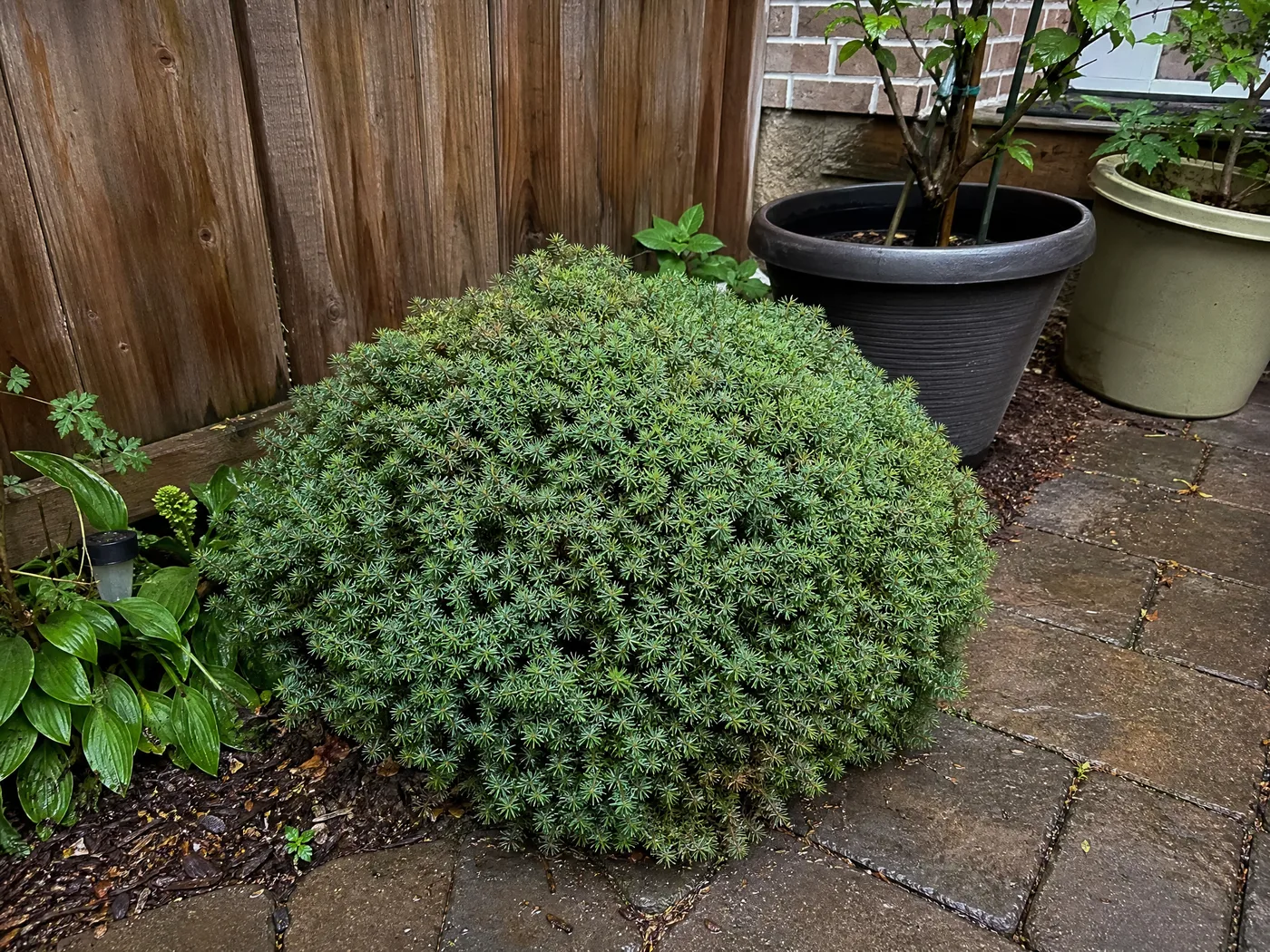
The Dwarf Japanese Cedar is a slow-growing evergreen conifer that forms a dense, rounded mound of soft green foliage. Its compact size and delicate needles make it a natural choice for foundation plantings, rock gardens, and containers. In winter, the foliage often shifts to bronze-purple, adding subtle color to the landscape year-round. It's also deer-resistant and low-maintenance once established.
This guide covers everything you need to grow and care for Dwarf Japanese Cedar. You'll find guidance on planting in the right soil, watering schedules, light requirements, and managing common issues. From small container specimens to larger landscape features, we'll help you keep this conifer healthy and beautiful through every season.
Buy Dwarf Japanese Cedar
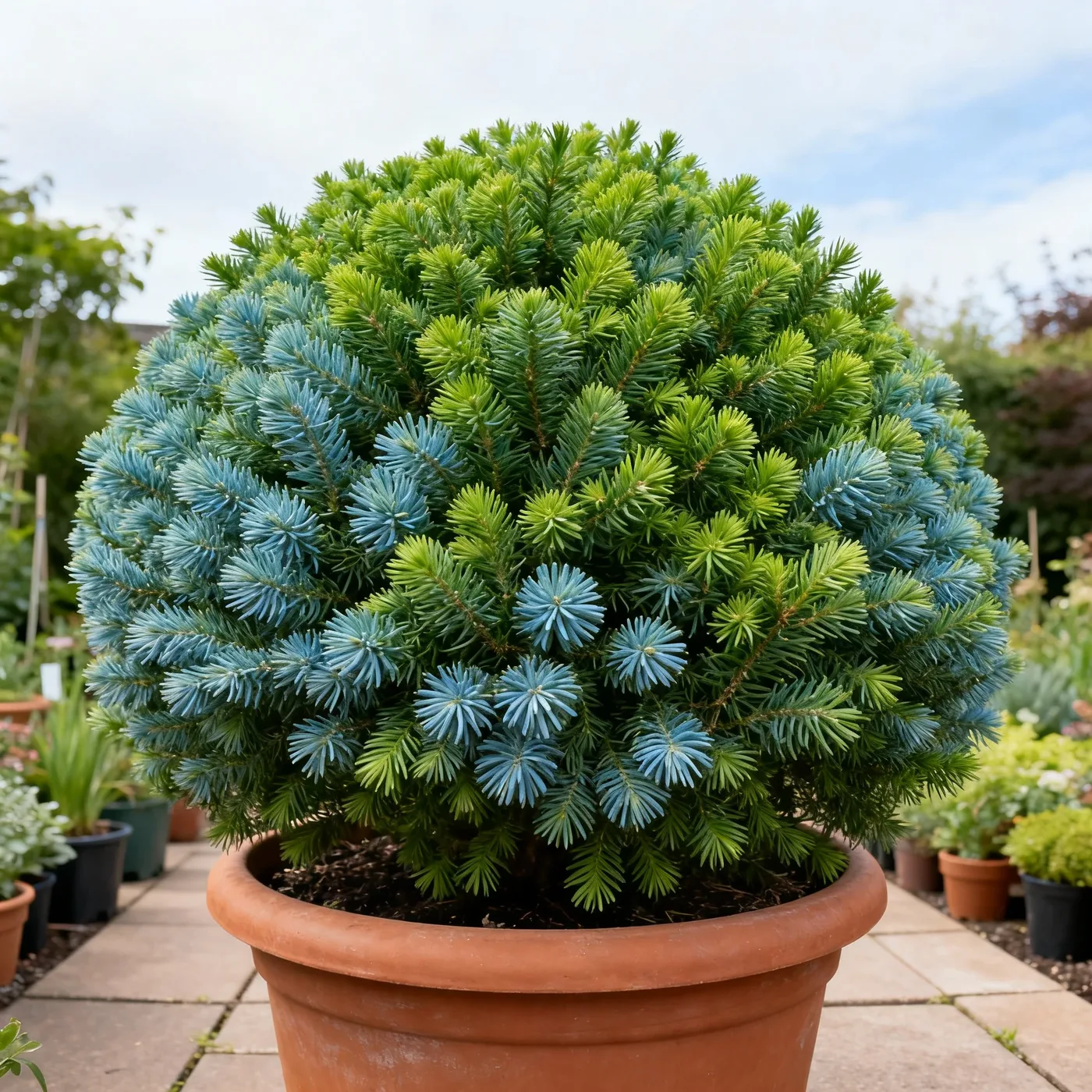
Nursery-grown plants shipped in their container, with our planting and care guides to go with them.
From $39.97
Sizes: 1 Gallon, 3 Gallon
Shop Dwarf Japanese CedarQuick facts
- USDA zones
- 5-9
- Mature height
- 3-6 ft (varies by cultivar and age; slow but not truly dwarf long-term - some specimens ex
- Mature width
- 4-6 ft, dense rounded mound
- Sun
- full sun to part shade; some afternoon shade helps in hot/dry climates to reduce foliage s
- Water
- medium/regular; prefers consistently moist soil, not drought tolerant while establishing
- Bloom time
- not grown for bloom (conifer); produces small inconspicuous cones
- Bloom color
- not applicable - no ornamental flowers
- Growth rate
- slow, roughly 3-6 inches per year
- Deer resistance
- good - resinous conifer foliage is generally low-preference for deer, though not deer-proo
- Plant type
- evergreen shrub (dwarf conifer)
- Slow-growing evergreen conifer forming a dense rounded mound
- Needs consistently moist, acidic, well-drained soil
- Foliage often bronzes in winter, then greens back up in spring
- Deer-resistant and low-maintenance once established
- Best in full sun to part shade with some afternoon shade in hot climates
- Great for foundation plantings, rock gardens, and containers
- Not known to be toxic to pets or people
- Hardy USDA zones 5-9
Growing guides
 Core guide
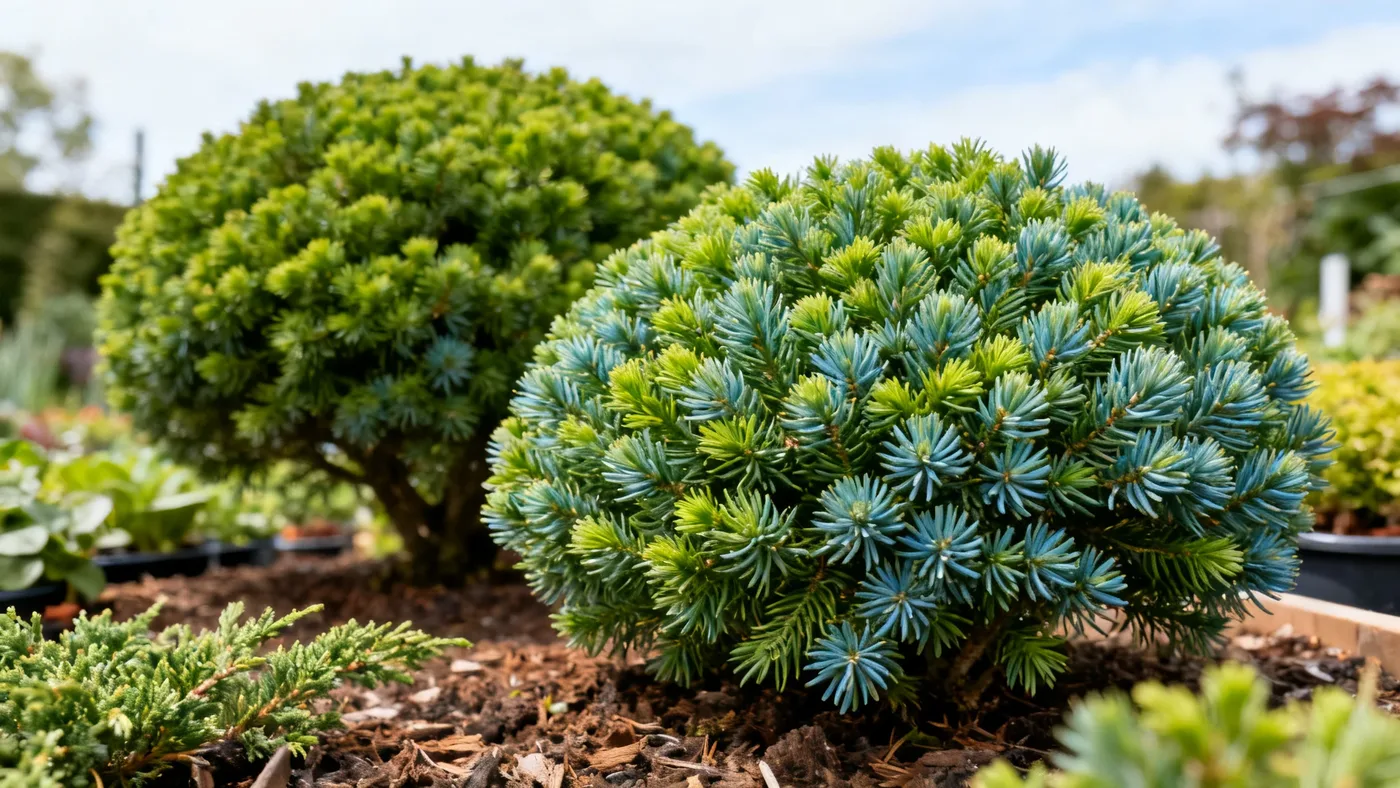
Dwarf Japanese Cedar Care Guide: Everything You Need to Know
Dwarf Japanese Cedar care guide covering planting, watering, soil, pruning, pests, and seasonal maintenance for this slow-growing evergreen
 Core guide
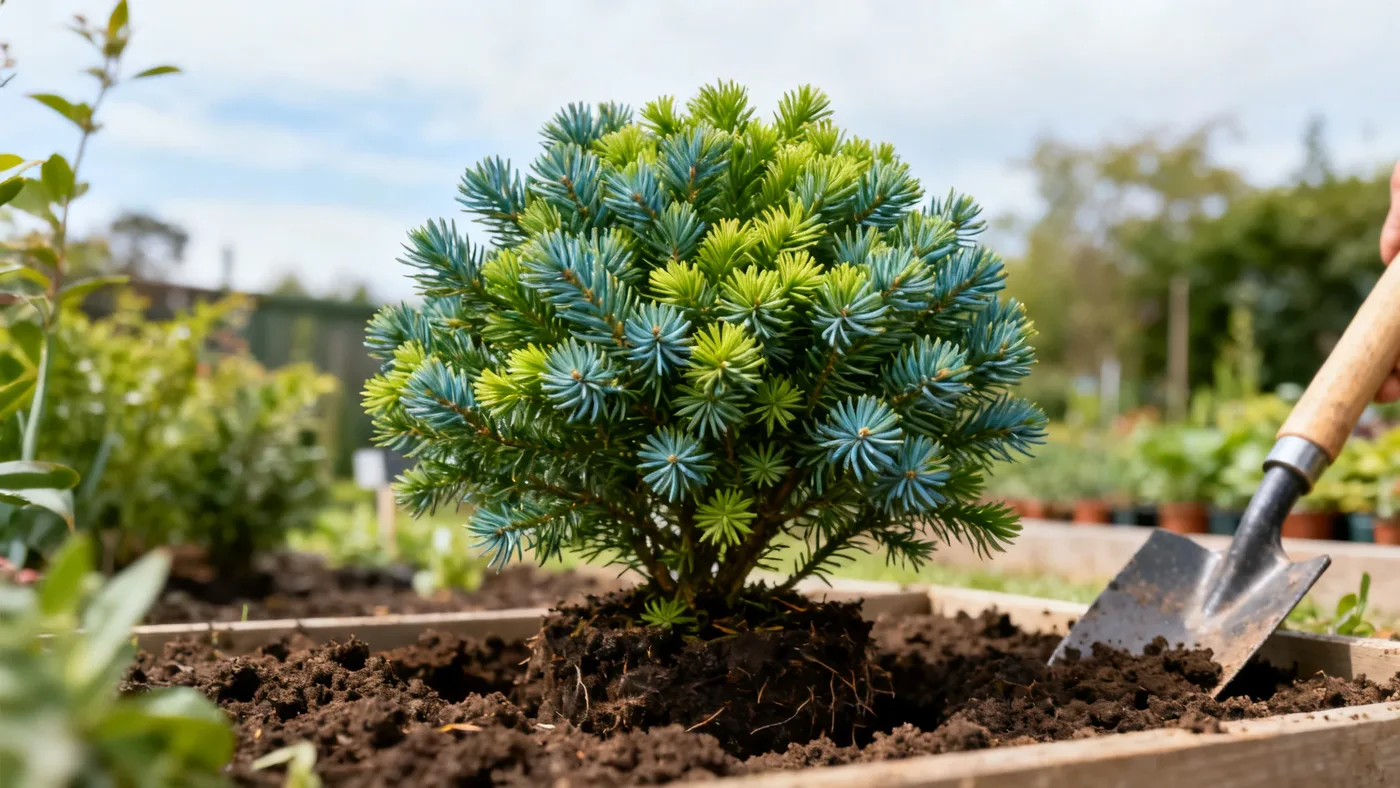
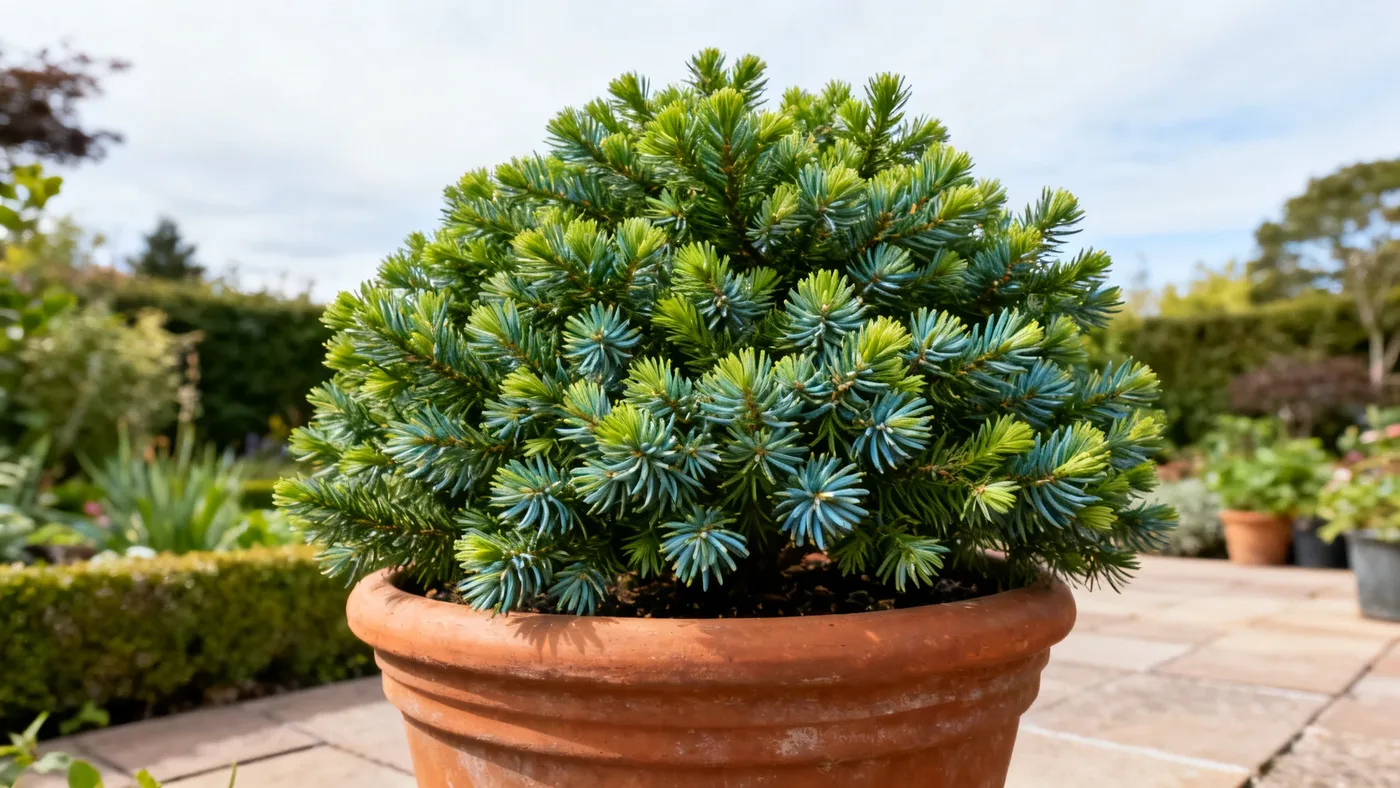
How to Plant Dwarf Japanese Cedar for a Strong Start
Learn how to plant Dwarf Japanese Cedar for healthy growth. Step-by-step instructions, timing, soil prep, and spacing for zones 5–9.
 Core guide
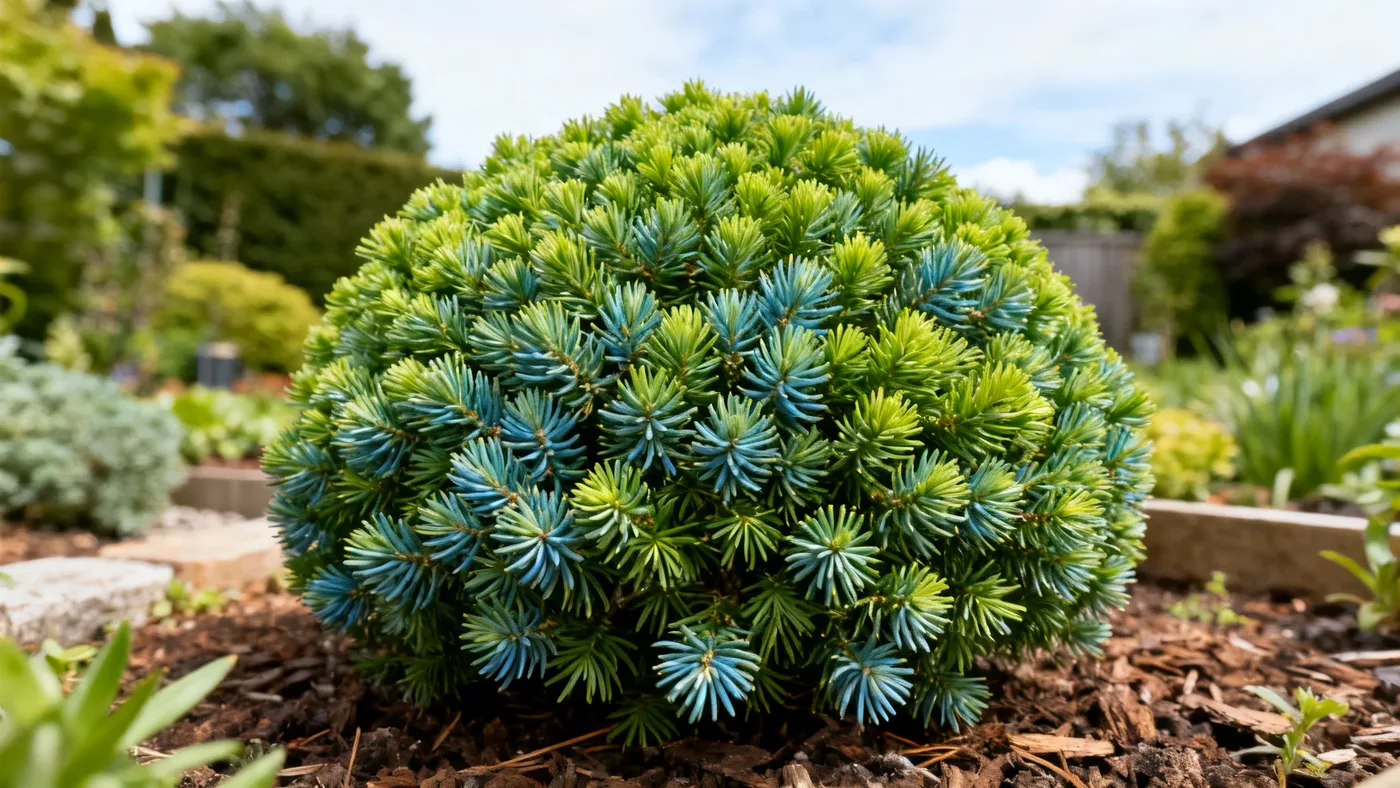
Dwarf Japanese Cedar Buying Guide: Container Sizes Explained
Dwarf Japanese Cedar buying guide: compare container sizes, cultivars, and quality indicators for healthy nursery plants.
 Core guide
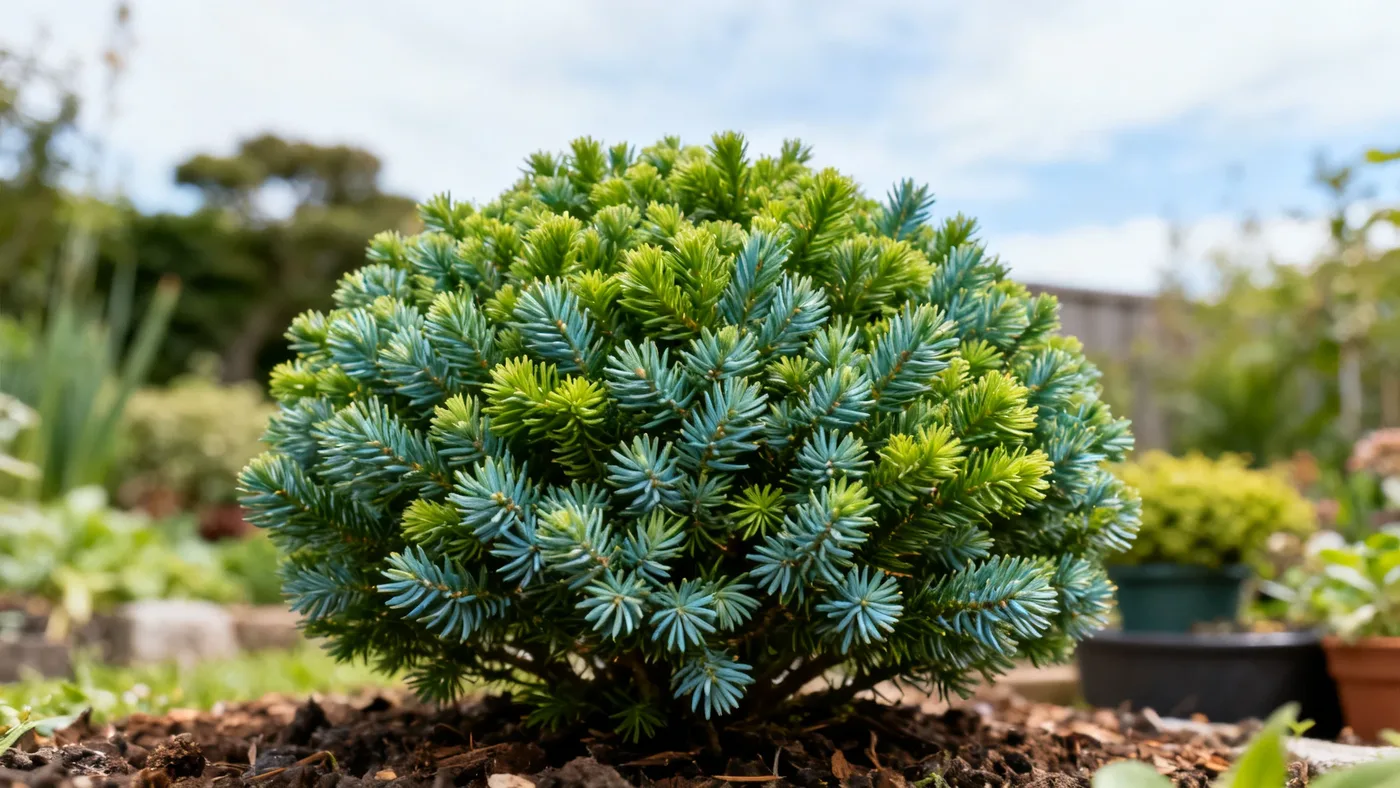
What Zones Does Dwarf Japanese Cedar Grow In?
Dwarf Japanese Cedar hardiness zones 5-9: zone-by-zone growing tips, winter care, and regional challenges for this cold-hardy evergreen shru
 Core guide
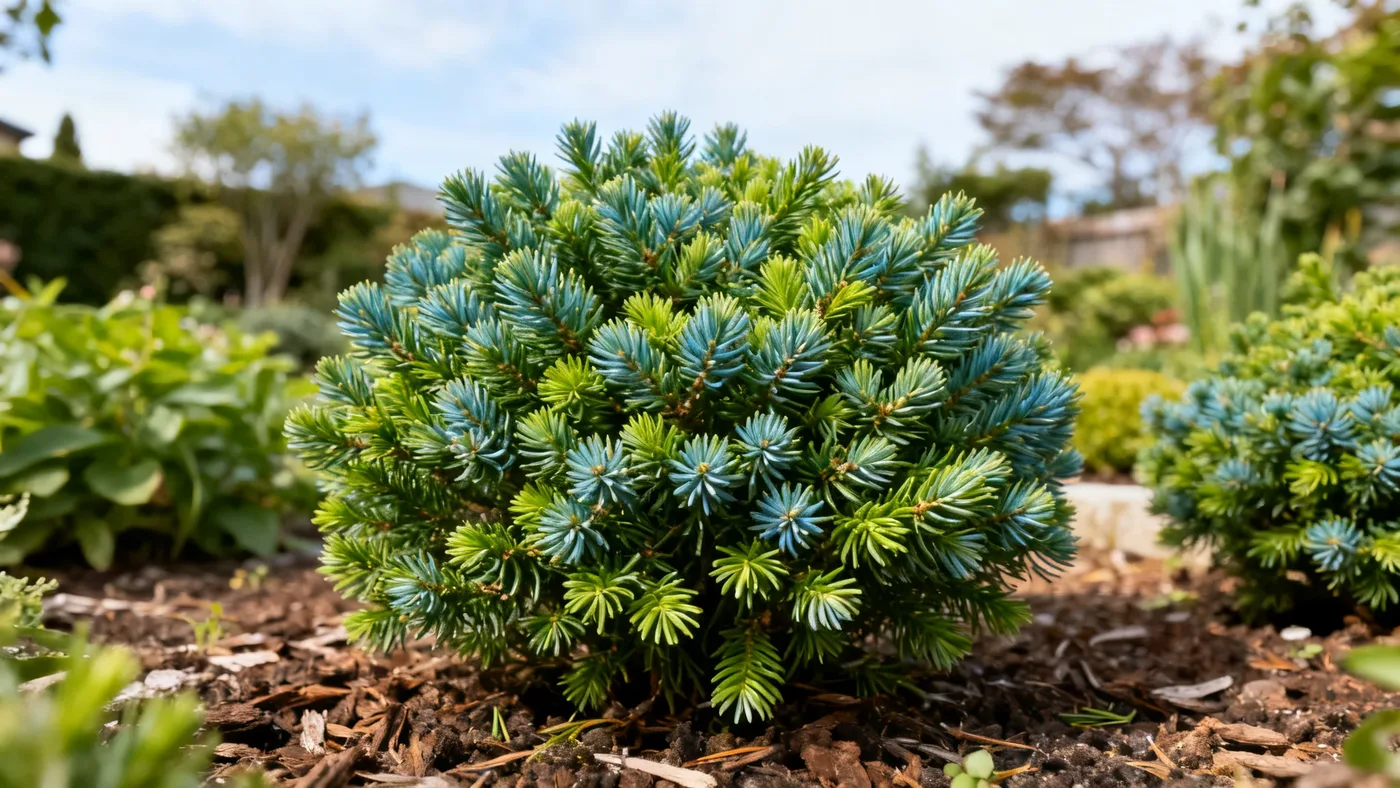
How Big Does Dwarf Japanese Cedar Get and How Fast?
Dwarf Japanese Cedar grows 3-6 feet tall over 15 years. Learn size, growth rate, spacing, and timeline in our complete FAQ.
 Core guide
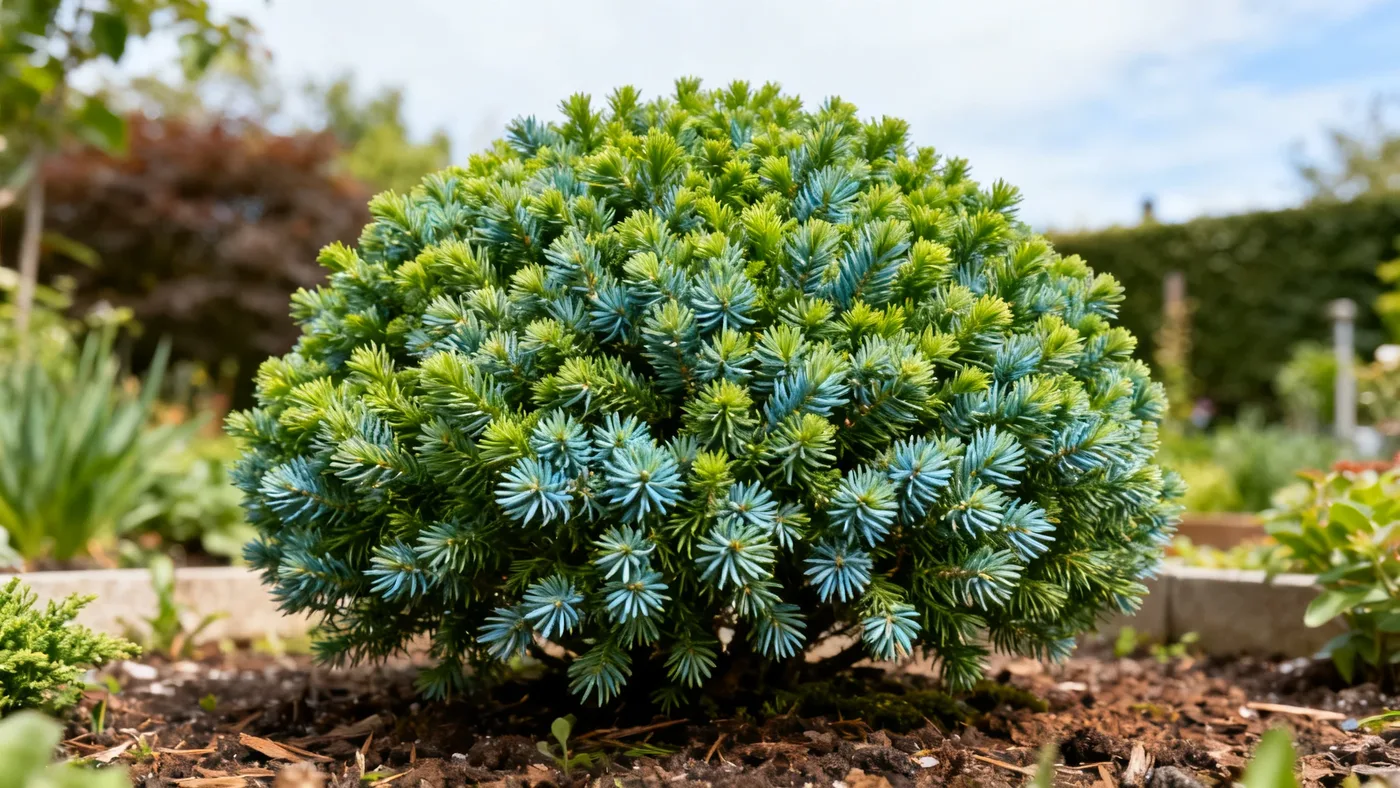
7 Common Dwarf Japanese Cedar Problems and How to Fix Them
Fix 7 common Dwarf Japanese Cedar problems: winter bronzing, spider mites, root rot, scale insects, bagworms, blight, and drought stress wit
 Core guide
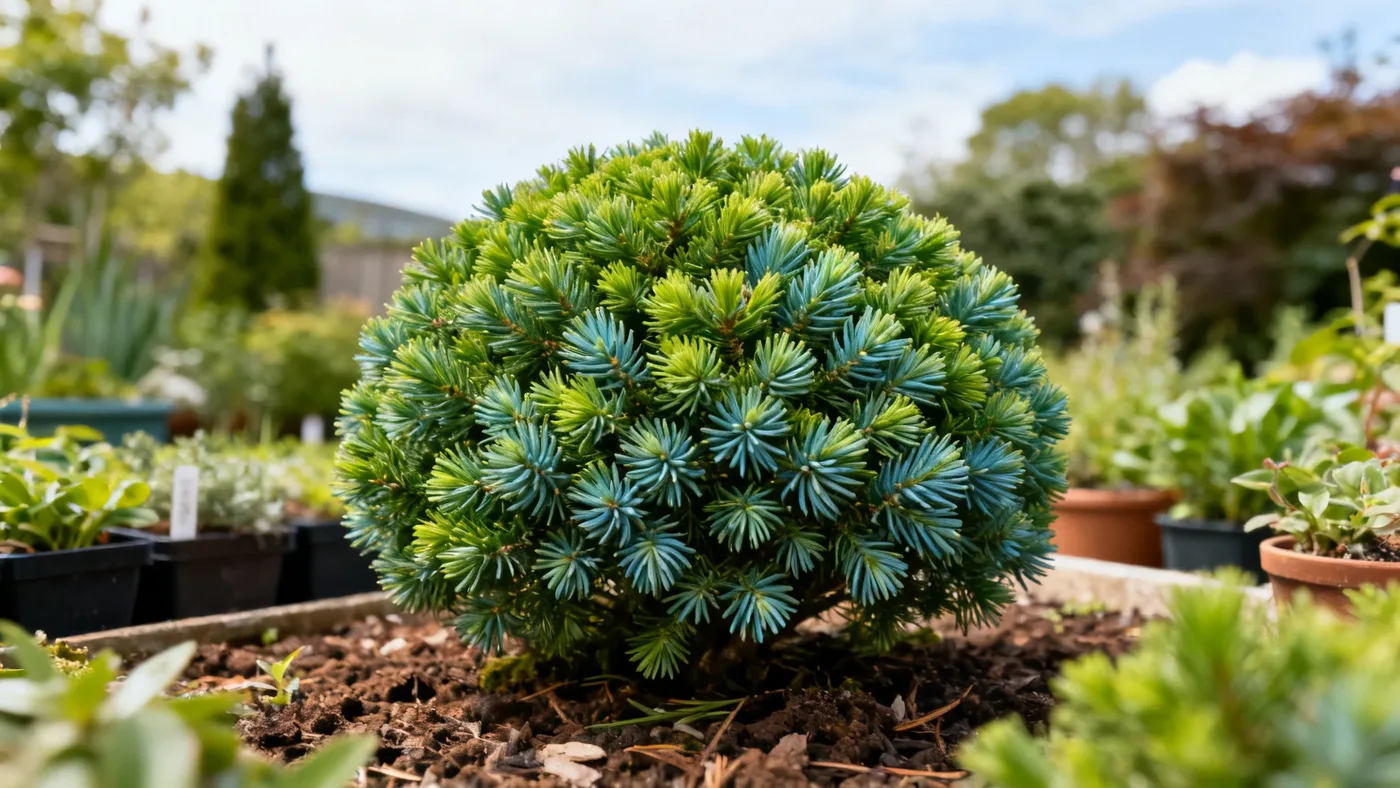
Dwarf Japanese Cedar Sun and Light Requirements Explained
Master Dwarf Japanese Cedar sun requirements. Learn full sun to part shade placement, light needs by zone, and how to prevent foliage scorch
 Core guide
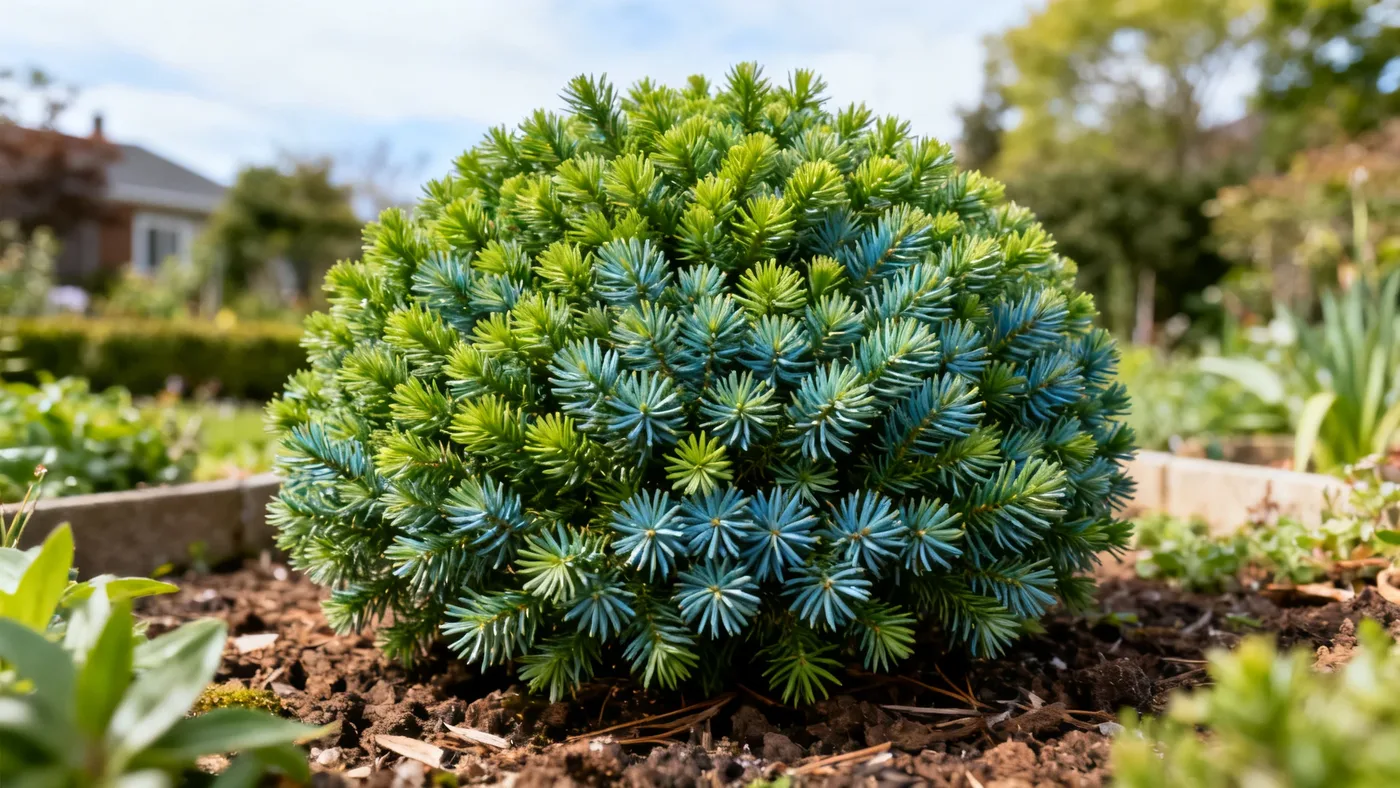
How to Water Dwarf Japanese Cedar the Right Way
Learn how to water Dwarf Japanese Cedar correctly. Step-by-step watering schedule, drought signs, and how to avoid overwatering.
 Core guide
Best Soil for Dwarf Japanese Cedar: Drainage and pH Tips
Learn the best soil mix for Dwarf Japanese Cedar. Discover ideal pH levels (5.0-6.5), drainage requirements, and amendment tips for healthy
 Core guide
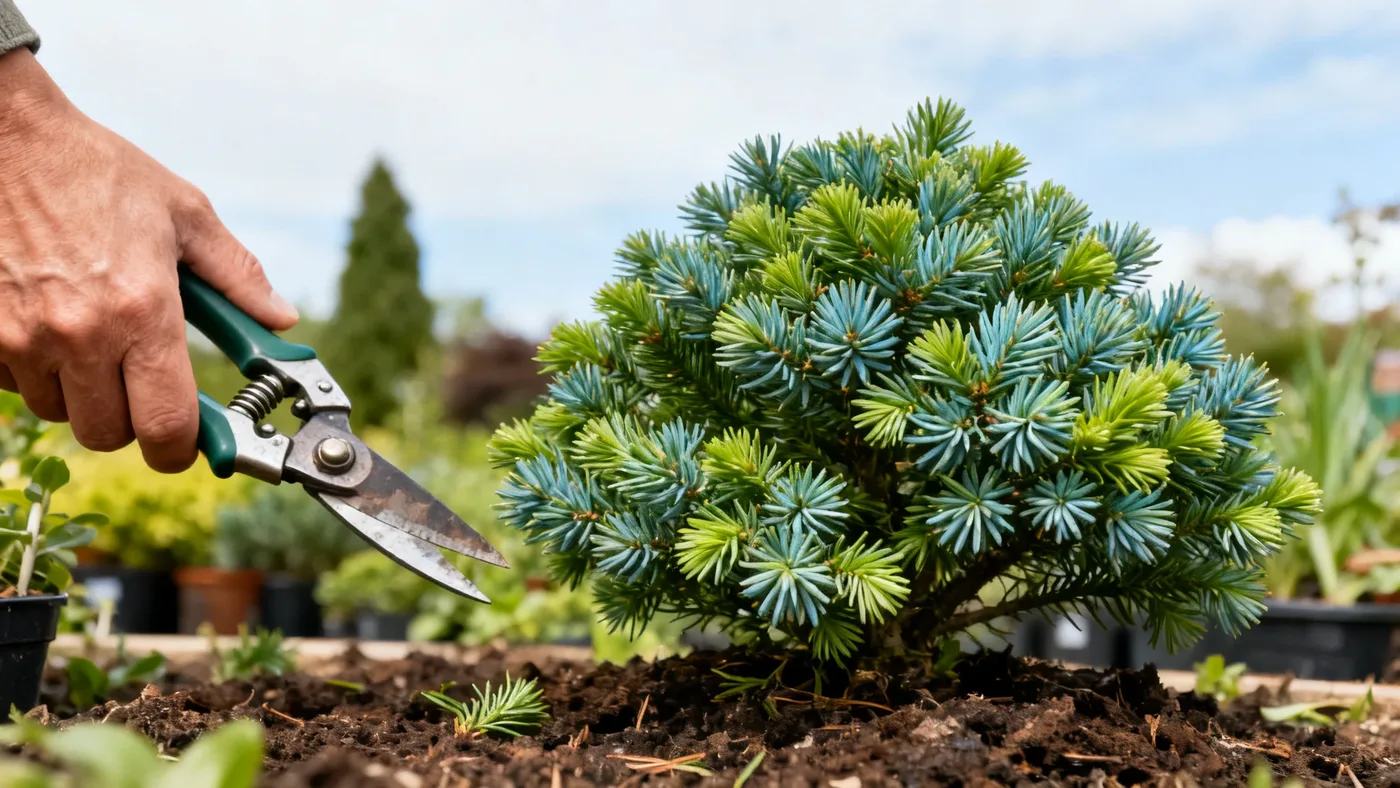
How and When to Prune Dwarf Japanese Cedar Shrubs
Learn when and how to prune Dwarf Japanese Cedar. Simple techniques for maintaining shape without damaging this slow-growing shrub.
 Core guide
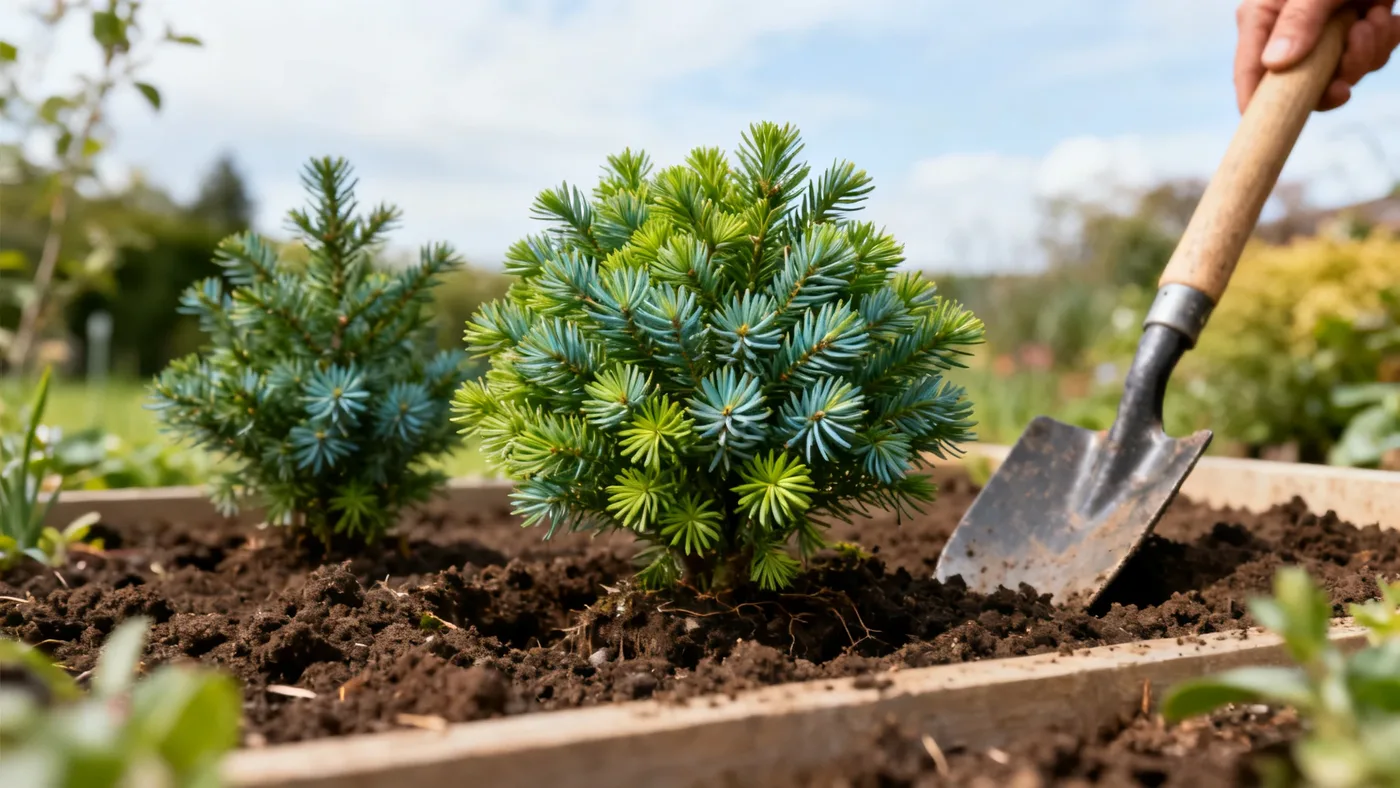
12 Landscape Uses and Companion Plants for Dwarf Japanese Cedar
Discover 12 proven landscape uses and companion plants for Dwarf Japanese Cedar. From foundation plantings to rock gardens—plus zone 5-9 pla
 Plant specific
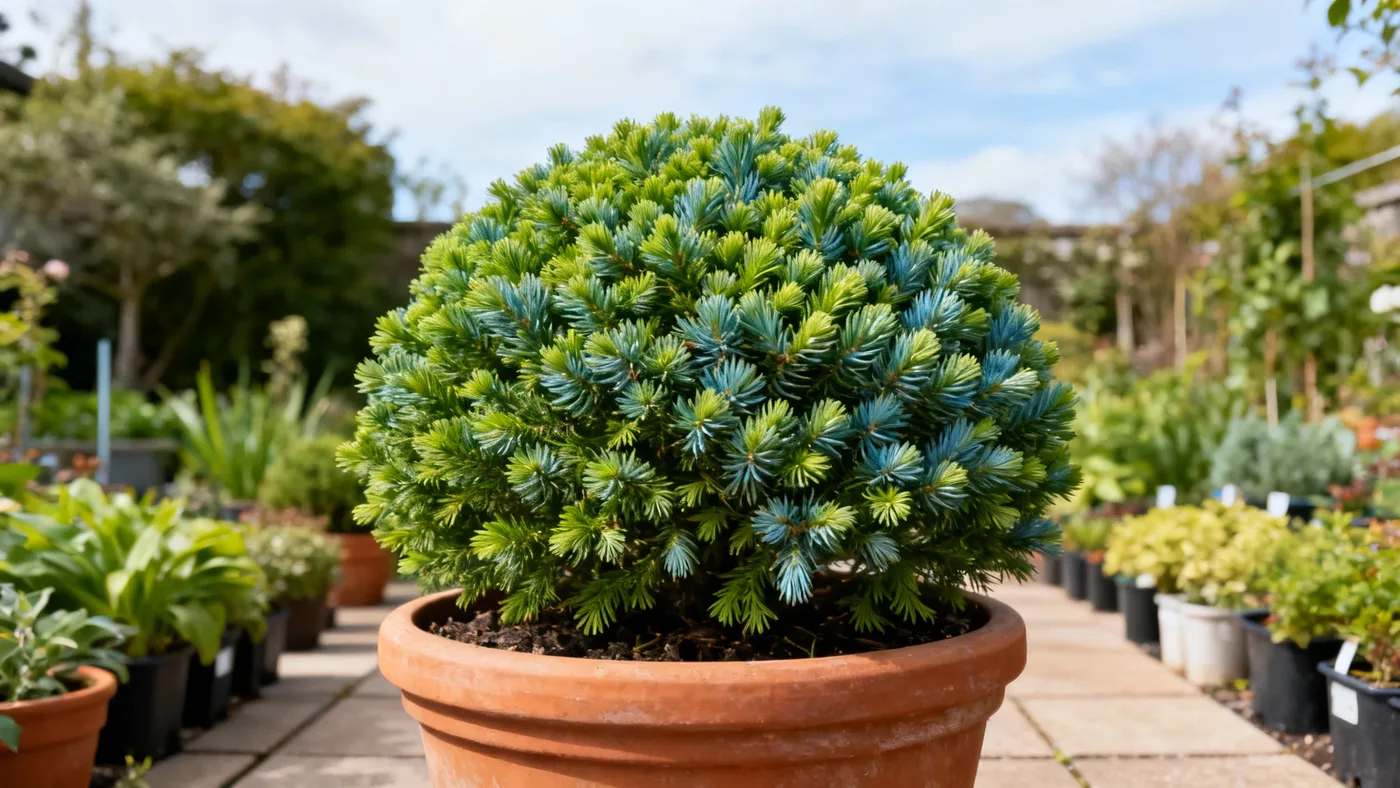
Growing Dwarf Japanese Cedar in Pots and Containers
Learn how to grow Dwarf Japanese Cedar in containers with our step-by-step guide. Expert tips on soil, watering, light, and seasonal care.
Dwarf Japanese Cedar questions
Why is my Dwarf Japanese Cedar turning bronze/purple in winter?
This is normal seasonal color change in cold weather, not a sign of disease; foliage typically returns to green as temperatures warm in spring.
How much sun does it need?
Full sun to part shade; in hot, dry climates a bit of afternoon shade helps prevent foliage scorch.
Can it stay in a container long-term?
It can be grown in a container for several years, especially while young, but its slow steady growth means it will eventually need a larger pot or an in-ground spot.
Is it deer resistant?
Generally yes - its resinous conifer foliage is low on the deer preference list, though no plant is completely deer-proof under heavy browsing pressure.