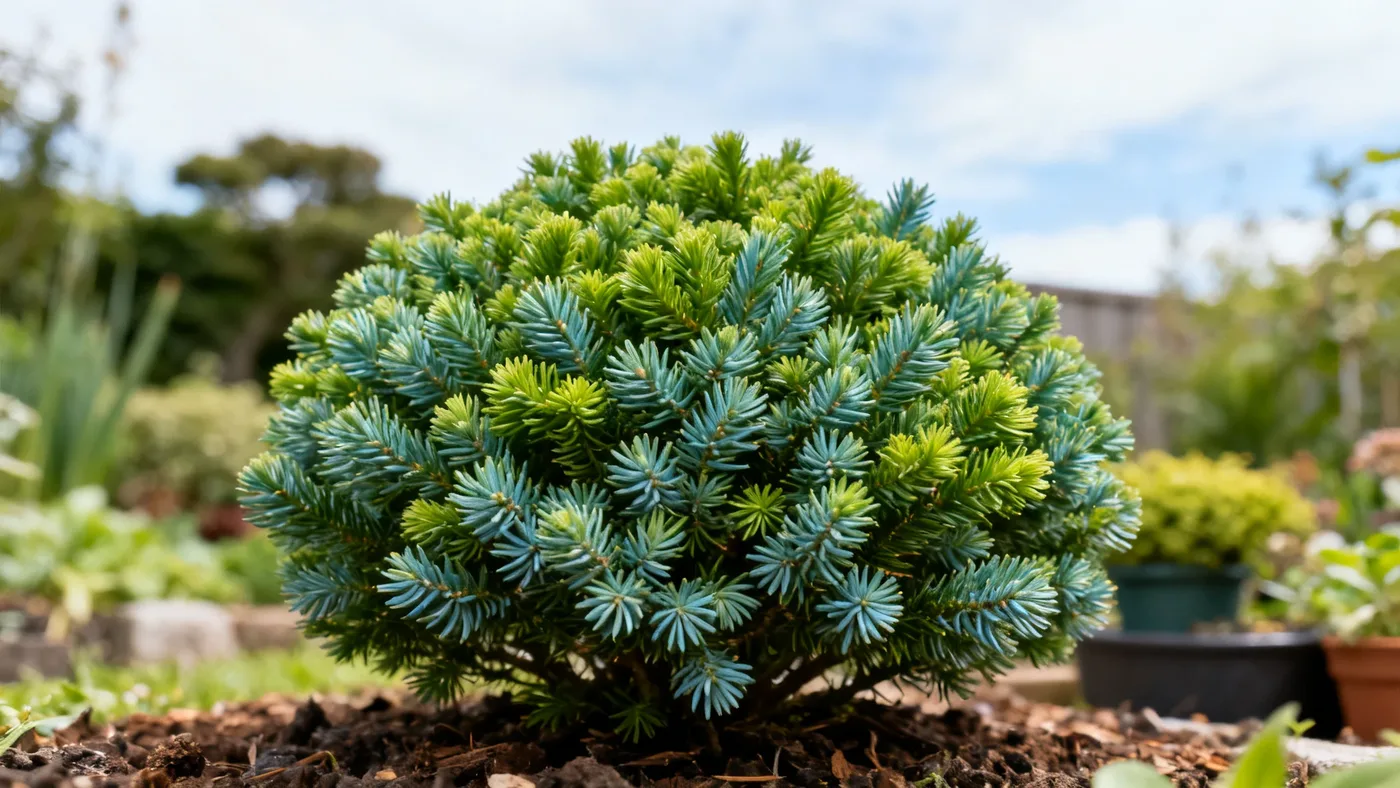
How Big Does Dwarf Japanese Cedar Get and How Fast?
If you're planning to add a Dwarf Japanese Cedar to your garden, one of the first questions is how much space it will need and how patient you must be. These compact conifers grow slowly by design, and knowing their mature size and growth timeline helps you place them correctly from the start. This FAQ answers the most common questions home gardeners ask about the size and pace of Dwarf Japanese Cedar.
Mature Size and Timeline
What is the mature size of a Dwarf Japanese Cedar?
A typical Dwarf Japanese Cedar reaches 3 to 6 feet in height and 4 to 6 feet in width, forming a dense, rounded mound. However, the term "mature" for slow-growing conifers is tricky: specimens can continue to grow slowly for 20 or more years, and some may eventually exceed this range with age.
How long does it take for a Dwarf Japanese Cedar to reach full size?
Expect 10 to 15 years for your Dwarf Japanese Cedar to develop into a substantial mature mound under typical garden conditions. Growth continues beyond this timeframe, but the plant reaches its primary landscape form within this window, making it useful for long-term design plans.
Are there cultivars that stay smaller than others?
Yes, the nursery trade offers several named dwarf globe forms including 'Globosa Nana', 'Tansu', 'Vilmoriniana', and 'Little Diamond', each with slightly different size characteristics. Confirm the cultivar name on your plant tag before purchasing, as generic labels like "Dwarf Japanese Cedar" may hide size variations from unnamed selections.
Can a Dwarf Japanese Cedar get bigger than 6 feet?
It can, particularly after 20 or more years in ideal growing conditions or if it exceeds the genetic potential of its specific cultivar. Most specimens sold as "dwarf" forms stay within the 3-6 foot range for a home gardener's lifespan, but older plants may push beyond this.
Annual Growth Rate and Expectations
How fast does a Dwarf Japanese Cedar grow per year?
Dwarf Japanese Cedar grows roughly 3 to 6 inches per year, depending on sunlight, soil moisture, and climate. This slow, steady pace is by design and explains why these plants develop their attractive shape without frequent pruning.
Why does my Dwarf Japanese Cedar seem to grow slower than expected?
Growth rate varies significantly with climate, water availability, and sun exposure. In cooler zones (5-7), plants grow at the slower end of the 3-6 inch range, while warmer zones may see faster growth if moisture is consistent. Poor drainage or insufficient sunlight can also slow growth further.
How much bigger will my Dwarf Japanese Cedar get each season?
In spring and early summer, you will typically see a flush of new growth adding 1 to 2 inches of fresh foliage; by late summer and fall, growth slows or stops. Over a full season, the plant gains roughly 3 to 6 inches in height and width combined.
Will my Dwarf Japanese Cedar ever grow fast enough to fill a space quickly?
No, this is not the plant for fast-growing needs; it is a long-term investment in structure and permanence. If you need quick fill, combine it with faster-growing shrubs while the Dwarf Japanese Cedar establishes, and thin the faster plants later.
Size at Different Ages
How big is a Dwarf Japanese Cedar when sold in nurseries?
Dwarf Japanese Cedar is commonly sold in #1 or #3 containers, typically standing 12 to 18 inches tall at purchase. Container-grown plants are young and will take 10-15 years to approach their mature size.
How much will my newly planted Dwarf Japanese Cedar grow in its first year?
A newly planted specimen typically adds 3 to 6 inches in the first growing season, assuming it receives consistent water and time to establish roots before heat or cold stress. Growth is slower immediately after planting as the plant focuses on root development rather than visible foliage expansion.
When will my Dwarf Japanese Cedar reach 3 feet tall?
At 3 to 6 inches per year, reaching 3 feet (36 inches) from a typical 12-18 inch nursery plant will take roughly 5 to 8 years with good care. This is a good checkpoint for assessing whether the plant is on pace in your garden.
Can I predict my Dwarf Japanese Cedar's final size?
The cultivar name on your plant tag is the best predictor; 'Globosa Nana', for example, is bred to stay in the smaller range, while some regional selections may grow toward 6 feet. Regional climate and individual care also play roles, so think of the 3-6 foot range as a guideline rather than a guarantee.
Spacing and Placement
How far apart should I space Dwarf Japanese Cedar plants?
Space plants 4 to 6 feet apart for mass plantings or foundation designs, allowing each mound to fill its own area without crowding. Closer spacing can work for a denser effect, but expect to prune for air circulation and sunlight penetration as plants mature.
Can I plant Dwarf Japanese Cedar in a small garden?
Yes, its slow growth and compact form make it ideal for small gardens, provided you are patient and do not expect large visual impact in the first few years. Many gardeners value the long-term permanence of a single well-placed specimen over faster, needier alternatives.
Is Dwarf Japanese Cedar suitable for container growing?
Yes, Dwarf Japanese Cedar is well suited to containers, particularly while young and small, and container specimens are commonly sold in nurseries. However, as the plant matures over 10-15 years, it will eventually need root management, transplanting to a larger pot, or moving to the ground.
Factors That Influence Growth
Does sunlight affect how fast Dwarf Japanese Cedar grows?
Yes, plants in full sun grow faster and develop better color and density than those in part shade. Some afternoon shade helps prevent foliage scorch in hot or dry climates, but excessive shade slows growth and opens the mound.
How does soil drainage affect growth rate?
Dwarf Japanese Cedar prefers moist, humus-rich, well-drained soil and tolerates clay if drainage is adequate, but dislikes standing water or drought while establishing. Poor drainage stunts growth and invites root rot, while consistent moisture from spring through the first summer of establishment accelerates the growth rate significantly.
Why is my Dwarf Japanese Cedar growing unevenly or lopsided?
Uneven growth typically indicates one side receives more sunlight or water than the other, or wind damage is affecting that side. Rotate the plant's perspective occasionally, ensure even watering around the root zone, and use staking if needed to support symmetrical development.
Does fertilizing make a Dwarf Japanese Cedar grow faster?
Light annual feeding in early spring with a balanced or acid-formulated fertilizer supports steady growth, but over-fertilizing can lead to weak, leggy growth or damage to the shallow root system. A single spring application is usually sufficient; this is not a heavy feeder.
Pruning and Shaping Impact on Size
If I prune my Dwarf Japanese Cedar, will it grow back fuller?
Light pruning in late winter to early spring, before new growth flushes, can encourage branching and density. However, avoid cutting into bare old wood, which may not resprout; the plant responds best to shaping the outer soft growth.
How much can I trim off without damaging the plant?
Trim only the outer soft growth each year, removing no more than one-third of the visible foliage per pruning session. If you cut back into woody interior branches, the plant may not fill in that section, resulting in bare patches.
Does pruning slow growth or affect final size?
Minimal pruning does not significantly slow growth or reduce ultimate mature size, but heavy or frequent pruning can retard development by removing growing tips. For most home gardeners, the best approach is to plant it correctly spaced and let it grow naturally with only touch-ups as needed.
Long-Term Growth and Lifespan
How long do Dwarf Japanese Cedar plants typically live?
Dwarf Japanese Cedar is long-lived, often thriving for 50 or more years with good siting and care. This makes it an excellent choice for a permanent landscape feature that improves with age.
Will my Dwarf Japanese Cedar continue growing after 15 years?
Yes, growth slows but does not stop after the plant reaches its primary mound form around year 10-15. Specimens often add another 1-2 feet over the following decades, particularly if they remain in ideal conditions.
Quick Reference: Growth and Size at a Glance
| Milestone | Typical Size or Timeframe |
|---|---|
| Nursery size (at purchase) | 12-18 inches tall |
| Annual growth rate | 3-6 inches per year |
| Time to reach 3 feet tall | 5-8 years |
| Time to mature form | 10-15 years |
| Mature height range | 3-6 feet |
| Mature width (spread) | 4-6 feet |
| Recommended spacing | 4-6 feet apart |
| Container suitability | Yes, especially young plants; #1-#3 containers typical |
| Typical lifespan | 50+ years |
Plant with confidence: Dwarf Japanese Cedar rewards patience with decades of structure and presence in your garden. For detailed care instructions to support healthy growth, see our complete Dwarf Japanese Cedar care guide.