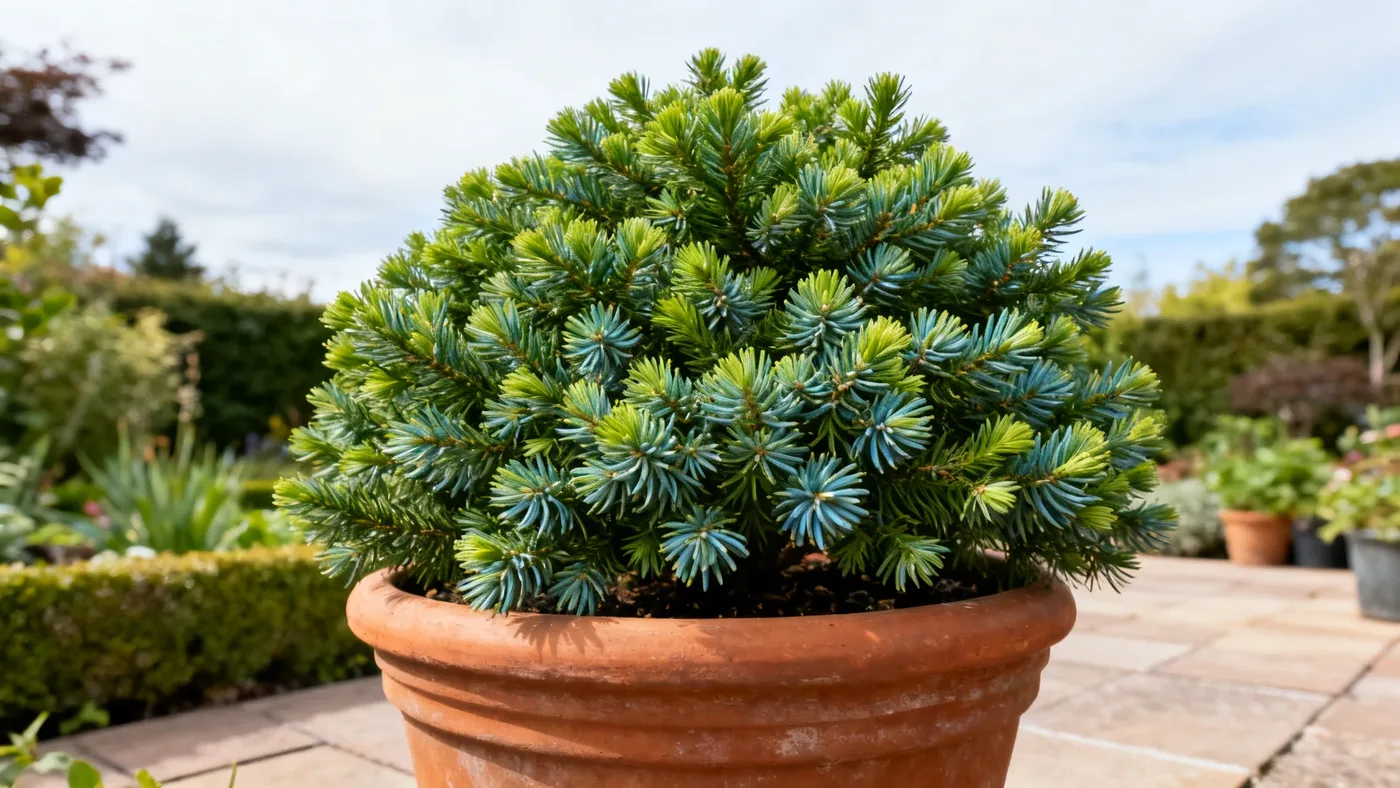
Dwarf Japanese Cedar Buying Guide: Container Sizes Explained
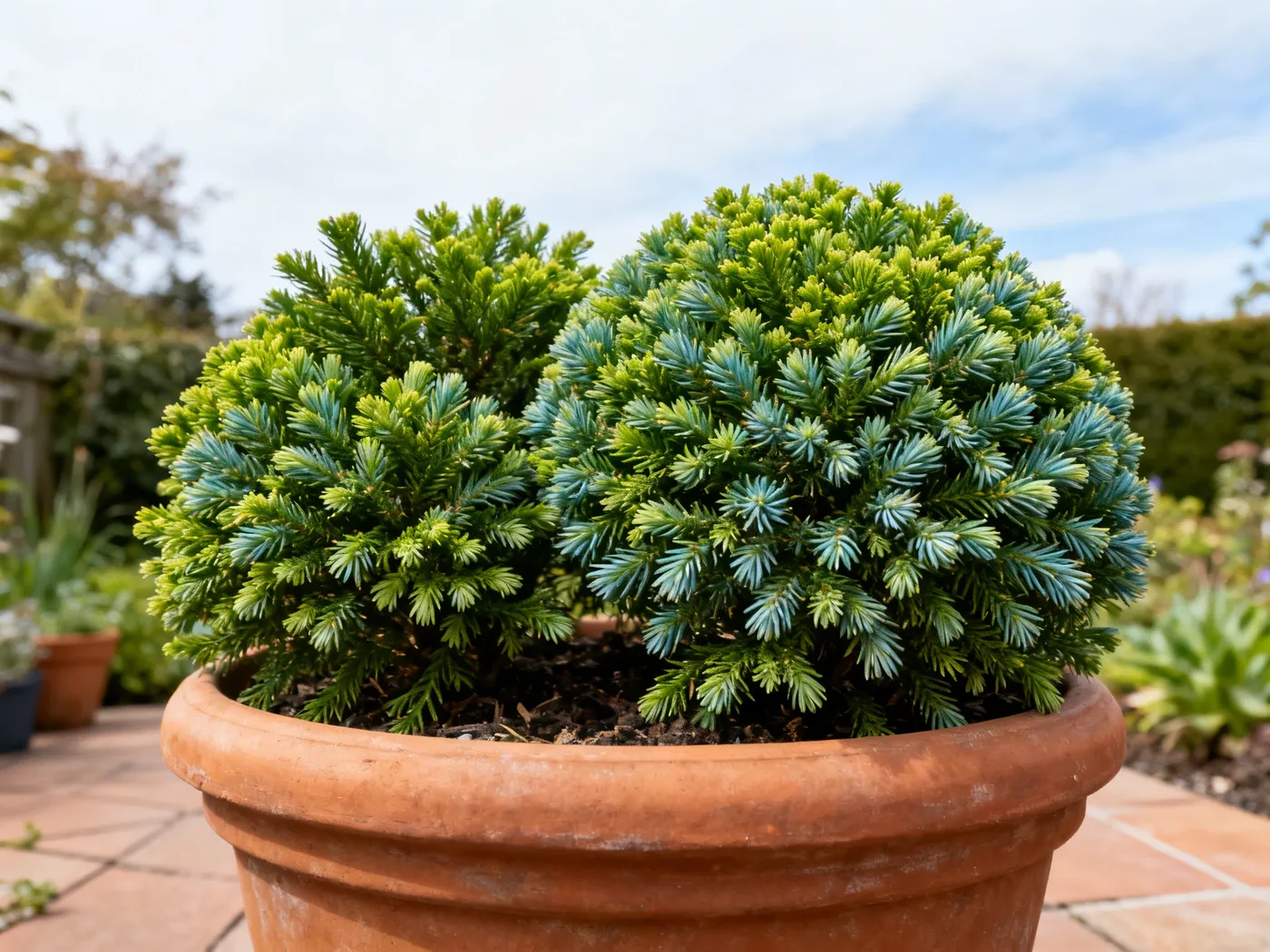
Shopping for a Dwarf Japanese Cedar means knowing what to expect at the nursery and what separates a thriving plant from one that will struggle in your garden. This guide walks you through container sizes, cultivar options, quality checks, and where to find reliable plants.
Container Sizes and What They Mean
Dwarf Japanese Cedar is well suited to container growing, especially while young and small. Nurseries typically offer three standard sizes. Understanding each helps you match the plant's stage to your budget and timeline.
Quart containers hold a young plant in its earliest stages. These are the most affordable option and work well if you are willing to wait for the plant to establish before moving it to a larger container or the landscape. They root quickly and are easy to move around during setup.
#1 containers (roughly 1 gallon) hold a plant with visible branch structure and better form. This size offers middle ground: the plant is established enough to handle transplanting into the landscape, yet still compact enough to move and position easily. Most gardeners buy this size for a faster payoff without the expense of larger stock.
#3 containers (3 gallons) hold a larger specimen closer to a mature mound shape. These plants are ready to go in the ground and will reach landscape size faster than smaller containers. The trade-off is higher cost and significantly heavier weight. If you're landscaping a foundation bed or want immediate visual impact, this size justifies the expense.
Container-grown plants establish best when planted in spring or early fall, giving them time to root into the landscape before temperature extremes arrive.
What to Look For When Buying
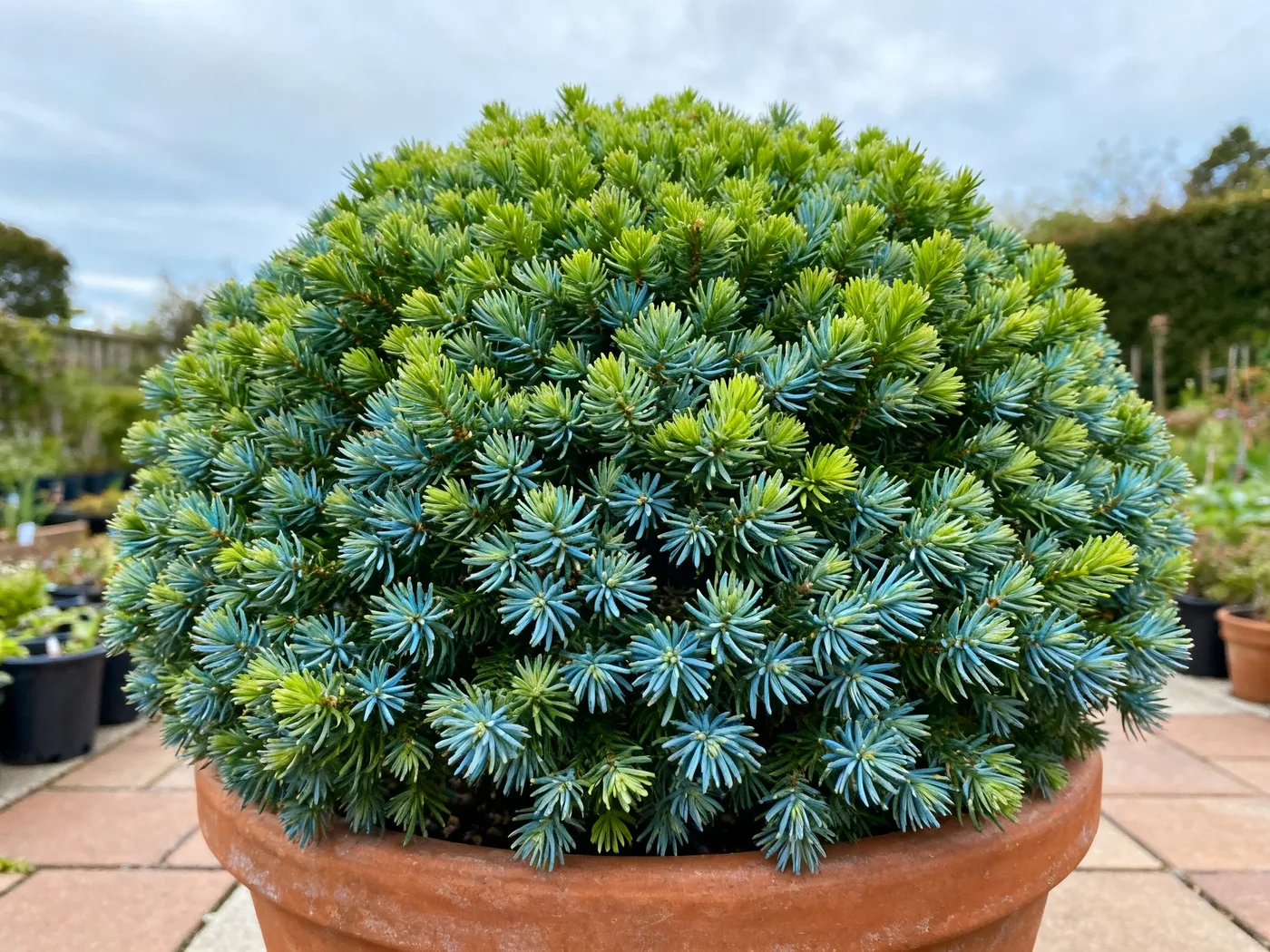
A quality plant sends clear signals at the nursery. Look for these indicators before you buy.
Foliage density is the first and most obvious quality marker. Dense, awl-shaped needles in tight whorled sprays are the signature of this conifer. If the plant looks sparse or has bare patches, it may have endured neglect, pests, or shipping damage. Pass on it.
Foliage color depends on the season and cultivar. Most carry blue-green to green foliage during the growing season. In cold winter weather, foliage often takes on a bronze to purple cast, which is normal and will green back up in spring. If you are buying in fall or winter, expect this color shift. A plant that is entirely brown or has gray, shriveled needles is dying from root damage or drought stress.
Root inspection matters more than most gardeners realize. Tip the pot and look for roots emerging from the drainage holes. A few roots visible is healthy. If the pot is root-bound with a thick mat of circling roots, the plant has sat too long at the nursery and will take longer to establish in the landscape. Ask the nursery if they have fresher stock.
Soil moisture is critical. The growing medium should be moist but not soggy. Squeeze a handful of soil if the nursery allows. It should hold together and then crumble slightly when you open your hand. If it is bone-dry or waterlogged, the plant has been stressed and may not recover well after transplanting.
Pest inspection protects you from bringing problems home. Spider mites, scale insects, and bagworms are the main culprits on this species. Inspect the undersides of branches and the interior of the mound for webbing, sticky residue, or small bumps on stems. Healthy nursery plants should be pest-free. Do not accept a discounted plant with visible infestation.
Cultivar Comparison
Most nurseries sell Dwarf Japanese Cedar generically under that common name, but some label specific cultivars. Confirm the cultivar tag before you buy if you want predictable growth and form. Common named dwarf selections include:
- Globosa Nana: The most widely available selection. Forms a tight, dense globe with blue-green needles and good winter bronzing. Mature size typically 3 to 6 feet tall.
- Tansu: A slower-growing, more compact cultivar, reaching the smaller end of the size range, with finer foliage texture.
- Black Dragon: Darker foliage with a dramatic purple-black cast in winter, slightly taller growth habit than some other dwarfs.
- Vilmoriniana: Ultra-compact, one of the most dwarf selections, best for small spaces and long-term container growing.
- Little Diamond: Another compact form with a slightly columnar habit as it matures, offering shape variation within the dwarf range.
If the label says simply "Dwarf Japanese Cedar" without a cultivar name, it may be an unnamed dwarf globe form. This is not necessarily bad; nurseries often propagate good compact selections without formal names. Ask the nursery about the expected mature size and growth rate to set realistic expectations.
Before buying, confirm your USDA hardiness zone. Dwarf Japanese Cedar thrives in zones 5 through 9. If you're outside this range, consult your local extension service about performance in your specific area.
Quality Indicators: What Professional Growers Look For
Understanding how professionals evaluate plants helps you make smarter purchases.
Branch structure should be balanced and not lopsided. A healthy Dwarf Japanese Cedar grows evenly in all directions, creating that characteristic mounded shape. If one side is fuller than the other, the plant may have favored light or weathered wind damage during shipping.
The crown (top) should be compact and well-filled, not open or thinning. Press gently into the top. A healthy plant offers slight resistance and the foliage springs back. A weak crown feels soft and mushy, a sign of root rot or disease.
Stem flexibility matters more than many buyers realize. Bend a small twig gently. It should bend without snapping. Brittle stems that break easily suggest the plant has dried out or suffered freeze damage. A living twig bends and returns to shape.
Pot cleanliness hints at nursery care. A clean pot with no algae or moss buildup suggests the nursery waters carefully and does not let plants sit in puddles. Green or black mold on the pot surface is cosmetic, but it hints at poor drainage or excess moisture. Dwarf Japanese Cedar hates waterlogged roots, so this matters.
Red Flags to Avoid
Reject plants that show these problems, no matter how cheap they are. The cost savings are never worth replanting.
Browning or scorch on foliage, especially on the windward side, signals drought stress during shipping or storage. This plant is not drought tolerant while establishing. If it is already damaged by dry conditions at the nursery, it will struggle to recover once you plant it.
Waterlogged soil or a sour, musty smell from the pot is a red flag for root rot. Cryptomeria dislikes standing water. Once root rot sets in, the plant rarely recovers. Do not bet on revival; move on to a healthy specimen.
Leggy, sparse growth with long gaps between branches is a sign the plant spent too long indoors or in shade at the nursery. It will not thicken up quickly in your garden. A compact, full plant is what you want.
Visible pest damage means you are bringing a problem home. Scale insects, cottony webbing from spider mites, or bags attached to stems from bagworms should be deal-breakers. Nurseries should never sell infested plants. Flag it with the manager and choose another plant.
A price too good to be true usually is. Heavily discounted plants are often damaged, overstocked, or dying. Standard pricing for Dwarf Japanese Cedar reflects the care required to grow a healthy specimen.
Where to Buy Dwarf Japanese Cedar
Local nurseries and garden centers remain your best source. You can inspect the plant in person, confirm the container size and cultivar, and ask staff about care after planting. Many will also guarantee the plant for a season, meaning you get a replacement if it does not establish.
Specialty conifer nurseries, if you have access to one, offer the widest selection of named cultivars and the deepest knowledge about Dwarf Japanese Cedar. They can often source uncommon selections or advise on cultivars best suited to your hardiness zone and microclimate.
Online retailers ship mail-order plants, but you cannot inspect them first. Reputable mail-order nurseries ship young, healthy stock and provide detailed care instructions. Budget extra for shipping and handle packing carefully upon arrival. Water immediately after opening the box.
Big-box retailers carry plants seasonally. Early spring offers the best selection but plants may suffer from inconsistent watering on outdoor shelves. By mid-spring, they may have sorted their stock and prices often drop. Buy early if you want the best selection; buy late if you want a deal on healthy surplus.
Budget Options by Price Point
Quart-sized plants cost the least and represent the best value if you have patience. Expect to pay 30 to 40 percent less than #1 containers. Given the plant's slow growth rate of roughly 3 to 6 inches per year, reaching substantial mature size takes roughly 10 to 15 years. This is the right choice for mass plantings or if you are building a garden over time.
#1 containers offer the best balance of cost and practical impact. You pay more than quarts but less than #3, and the plant is ready to go in the landscape immediately. For most home gardeners, this is the smart choice.
#3 containers command the highest price but deliver faster visual payoff. If you are landscaping a foundation bed or accent area and want mature-looking scale this season, the extra cost is justified. These plants reach noticeable landscape presence in years rather than decades.
Cultivar pricing also affects total cost. Named selections like Black Dragon or Vilmoriniana, especially in larger containers, cost more than generic Globosa Nana stock. The difference reflects propagation effort and availability. If a specific cultivar matters to your design, budget for it. If not, Globosa Nana delivers the same mounded form and character at lower cost.
Next Steps After Buying
Once you bring your Dwarf Japanese Cedar home, timing matters. Plant it in spring or early fall for the best establishment window. The plant needs consistent moisture and good drainage during its first year, so site selection and soil preparation are critical.
Refer to our Planting Guide for step-by-step instructions on spacing, soil mix, and watering. Once established, consult our Care Guide for ongoing watering, feeding, and pruning.
Quick Reference: Container Sizes and Buying Checklist
| Container Size | Plant Stage | Best For | Timeline to Mature Presence |
|---|---|---|---|
| Quart | Young, small specimen | Budget-conscious buyers, mass plantings | Roughly 10-15 years to substantial mature mound |
| #1 (1 gallon) | Established with visible form | Most home gardeners, balanced value | 8-12 years to mature landscape scale |
| #3 (3 gallons) | Large specimen, ready-to-landscape | Instant impact, impatient gardeners | 6-10 years to full established presence |
Quality Inspection Checklist
- Dense foliage from base to top, no bare patches or leggy gaps
- Blue-green to green needles in whorled sprays (bronze cast in winter is normal)
- Balanced, symmetrical growth in all directions
- Moist but not soggy soil throughout the container
- Roots visible at drainage holes but not circling excessively
- No visible pests (spider mites, scale insects, bagworms)
- Flexible stems that bend without snapping
- No browning, scorch, or waterlogged appearance
- No sour or musty smell from the pot
- Compact crown that springs back when gently pressed