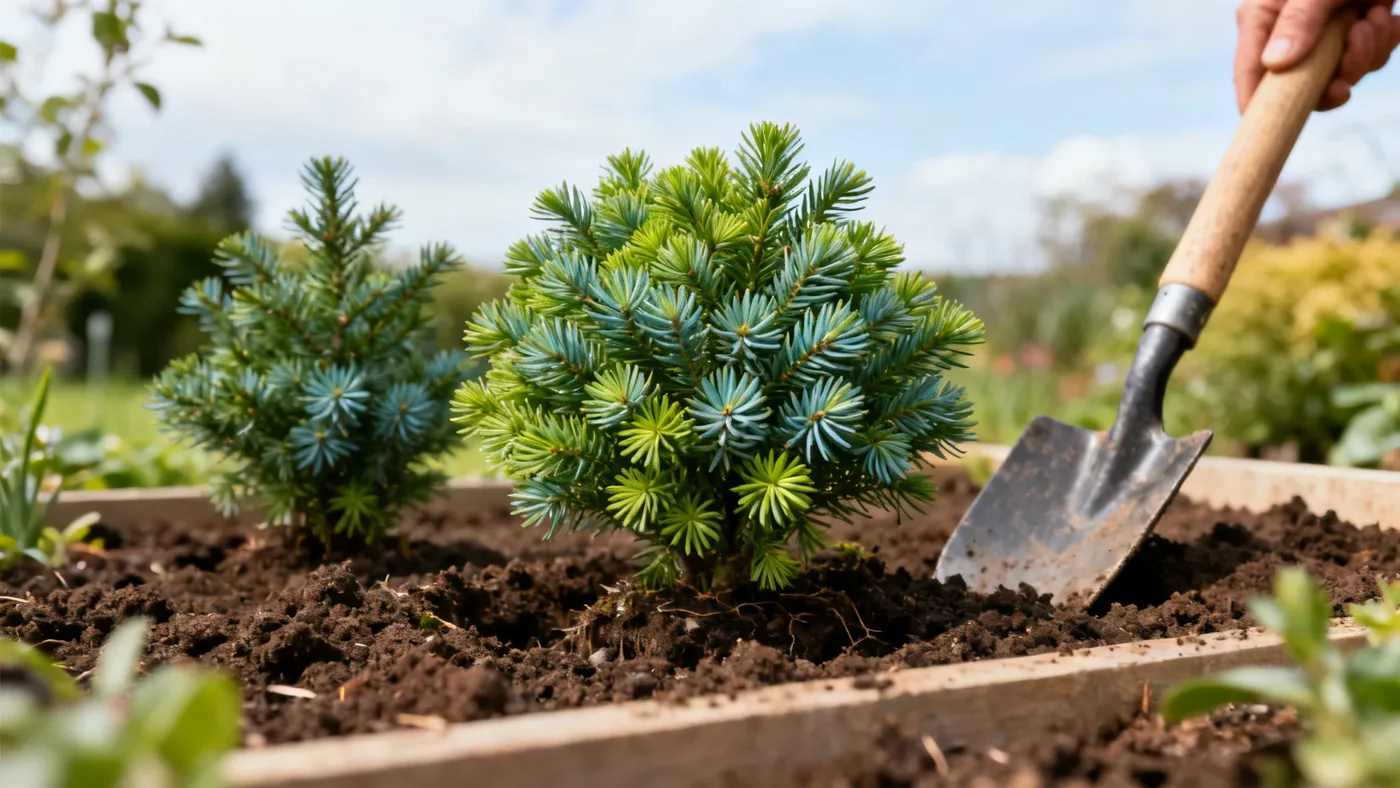
12 Landscape Uses and Companion Plants for Dwarf Japanese Cedar
Dwarf Japanese Cedar offers nursery growers and home gardeners a slow-growing, reliably hardy evergreen that brings structure and texture to nearly any garden setting. Whether you're designing a foundation planting, a rock garden, or an Asian-inspired landscape, this compact conifer delivers year-round interest with its soft, feathery foliage and distinctive bronze-purple winter cast. In this guide, we explore 12 proven dwarf Japanese cedar landscape uses and companion plants that make this plant a workhorse in residential and commercial settings.
Landscape Uses for Dwarf Japanese Cedar
1. Foundation Planting Anchor
Dwarf Japanese Cedar excels as a foundation planting, where its dense rounded mound and moderate mature size (3-6 ft tall, 4-6 ft wide) fit naturally in front of most residential homes without overwhelming windows or architectural features. Space multiple plants 4-6 ft apart along your foundation line for a cohesive, layered look. The soft blue-green needles provide a calming visual foundation, while its slow growth rate (roughly 3-6 inches per year) means less maintenance pruning over time.
Position your plants where they receive full sun to part shade, with afternoon shade particularly beneficial in hot or drought-prone climates. Ensure the soil drains well and stays consistently moist during the establishment period. This slow-growing evergreen pairs beautifully with lower-growing azaleas, hostas, or shade-tolerant perennials that fill in the visual space around the base.
Practical takeaway: For a low-maintenance foundation, plant Dwarf Japanese Cedar 4-6 ft apart in spring or early fall in USDA zones 5-9. Mulch to retain soil moisture and reduce lawn maintenance around the planting.
2. Rock Garden Specimen
The compact, naturally mounded form of Dwarf Japanese Cedar makes it an ideal specimen for alpine and rock gardens. Its slow growth and manageable size (maturing at 3-6 ft tall) allow it to hold its shape in confined spaces without aggressive pruning. Rock gardens benefit from plants that anchor the composition, and this conifer's structural form does exactly that.
Rock gardens typically favor excellent drainage and acidic soil conditions, both of which suit Dwarf Japanese Cedar. Combine it with low-growing junipers, sedums, and alpine ferns for textural contrast. In warmer climates (zones 8-9), afternoon shade helps prevent foliage scorch from intense sun and drought stress. In cooler zones (5-7), full sun intensifies the winter purple-bronze coloration that rock gardeners often prize.
Practical takeaway: Use Dwarf Japanese Cedar as a vertical anchor in rock gardens. Amend the site with gritty, well-draining soil and space it 4-6 ft from other plants to showcase its mounded silhouette.
3. Specimen Shrub and Focal Point
When you want a single standout plant that draws the eye and commands attention, Dwarf Japanese Cedar delivers. Grown as a specimen in an open lawn or island bed, its dense globe shape and year-round evergreen presence create a strong focal point, especially in winter when deciduous plants fade. The soft texture of the foliage contrasts dramatically with hardscaping like stone pathways or gravel beds.
Specimen placement works best in full sun to part shade, where the plant can develop its naturally compact, symmetrical form. Plant it in a location visible from a key vantage point, near an entryway, at the end of a garden path, or as the anchor of a small island bed. Over 10-15 years of growth, the plant will reach a substantial, sculptural presence without requiring invasive shaping.
Practical takeaway: Position your specimen plant where it receives consistent sunlight and morning exposure. Space it at least 4-6 ft from walkways or other shrubs so its form remains fully visible and unobstructed.
4. Mixed Conifer Border and Evergreen Screens
Dwarf Japanese Cedar combines beautifully in mixed conifer borders with dwarf Hinoki cypress, dwarf Alberta spruce, and other rounded evergreens. The varied textures and subtle foliage colors create depth and visual interest that persists through winter. Space plants 4-6 ft apart to allow full canopy development while maintaining air circulation and preventing disease.
Mixed conifer plantings offer year-round screening and privacy when positioned along property lines or as a backdrop planting. Dwarf Japanese Cedar's slow growth rate means your screen develops gradually but sustainably over years, not months, with minimal pruning needed to maintain density. Acidic, moist, well-drained soil keeps all components thriving.
Practical takeaway: Layer three to five conifer cultivars at varying heights and widths. Plant your Dwarf Japanese Cedar in a staggered pattern 4-6 ft apart for a natural, tiered effect that screens views without appearing artificially manicured.
5. Asian-Inspired and Zen Garden Design
The soft, feathery foliage and naturally mounded form of Dwarf Japanese Cedar align perfectly with Asian garden aesthetics. Its botanical name, Cryptomeria japonica, reflects its Japanese heritage, making it an authentic choice for tea gardens, Zen rock gardens, or Japanese-style landscape designs. The mild resinous/cedar scent when foliage is crushed adds a sensory dimension that complements the contemplative mood of these gardens.
Pair Dwarf Japanese Cedar with Japanese maples, ornamental grasses, mosses, stones, and water features to create a harmonious, balanced composition. The evergreen structure provides year-round framework for seasonal plantings. Its winter purple-bronze foliage deepens the aesthetic richness in cold-climate settings.
Practical takeaway: Use Dwarf Japanese Cedar as the anchor plant in an Asian-inspired planting, combining it with Japanese maple, shade perennials, and carefully placed stone elements. Ensure consistent soil moisture and afternoon shade in hot climates to prevent stress.
6. Container Gardening and Patio Plantings
Dwarf Japanese Cedar is well suited to containers, particularly when young and small. Nurseries commonly sell these plants in #3 containers, making them immediately available for patio displays, entryways, or deck plantings. The slow growth rate and compact form mean the plant remains proportional to a large pot for many years before requiring upsizing or eventual transplant to the landscape.
When container growing, use moist, humus-rich, well-draining soil with a slightly acidic pH (5.0-6.5). Position the container in full sun to part shade, and provide regular watering during active growth and throughout dry periods. In colder zones (5-6), consider moving the container to a sheltered location or wrapping it for winter protection.
Practical takeaway: Start with a #3 container from the nursery in moist, acidic potting soil. Water regularly, allow good drainage, and position in full sun to part shade. Plan to transplant to the landscape or upgrade the container within 3-5 years as the plant matures.
7. Mass Planting for Textural Impact
When planted in groups of three to five plants spaced 4-6 ft apart, Dwarf Japanese Cedar creates a striking mass planting that emphasizes texture and foliage variation. The repetition of the mounded form creates a rhythmic, almost sculptural effect, especially in large residential or commercial landscapes. A mass planting reads as one cohesive design element rather than scattered individual plants.
Mass plantings work well along roadsides, as understory layers in mixed borders, or in groupings that define garden rooms within larger landscapes. The slow growth rate allows the planting to develop naturally without requiring constant maintenance to maintain a uniform appearance.
Practical takeaway: Plant three to five specimens 4-6 ft apart in your chosen location. Allow the group to develop its form over 5-7 years. Avoid planting in a rigid line; stagger the plants for a more natural, organic appearance.
8. Winter Interest and Seasonal Feature
One of the most striking landscape uses for Dwarf Japanese Cedar is as a winter focal point. In cold winters, the foliage commonly bronzes and purples, creating a warm, jewel-like color that contrasts beautifully with snow and frost. This seasonal transformation is a normal, healthy response to cold temperatures and adds significant visual interest during months when many gardens appear dormant.
The evergreen structure provides form and presence throughout winter, anchoring the landscape when herbaceous plants die back and deciduous shrubs lose their leaves. Combine your Dwarf Japanese Cedar with winter-interest companions like red-twig dogwood, ornamental grasses, or variegated evergreens to amplify the seasonal display.
Practical takeaway: Expect the foliage to bronze or purple in winter; this is normal and not a sign of disease or poor care. Site your plant where it's visible from indoors during the winter months to enjoy the seasonal color shift.
Companion Plants for Dwarf Japanese Cedar
9. Japanese Maple Pairing
Japanese maple and Dwarf Japanese Cedar are natural companions that share similar cultural requirements and aesthetic sensibilities. Both prefer moist, well-draining, slightly acidic soil and benefit from afternoon shade in hot climates. Japanese maple's fine, dissected foliage and often-weeping form contrast beautifully with the dense, rounded profile of Dwarf Japanese Cedar, creating dynamic visual interest.
Plant your Japanese maple as the taller focal point (depending on cultivar, 10-20 ft) with one or more Dwarf Japanese Cedar specimens (3-6 ft) positioned in front or to the side. This layering creates depth and allows light to filter through the maple canopy to the cedar below. The color combination is particularly striking in fall and winter.
Practical takeaway: Pair Dwarf Japanese Cedar with Japanese maple in a mixed border or island bed. Space the plants to allow the maple's canopy to provide afternoon shade to the cedar while not completely blocking light. Both benefit from consistent soil moisture during establishment.
10. Shade-Tolerant Underplanting: Azalea, Hosta, and Fern
Dwarf Japanese Cedar thrives in part shade and pairs beautifully with shade-loving companions like azalea, hosta, and fern. These plants share a preference for acidic, moist, well-drained soil and create a lush, layered planting that appeals to shade gardeners. Azaleas flower in spring with vibrant color; hostas provide broad, architectural foliage texture in summer; ferns add delicate, feathery fronds year-round.
Plant the Dwarf Japanese Cedar as the midground vertical element (3-6 ft), with lower-growing hostas and ferns at its base and azaleas positioned at complementary heights. This tiered approach creates visual richness and efficient use of garden space. The cedar's evergreen structure holds the planting together when deciduous companions enter dormancy.
Practical takeaway: Combine Dwarf Japanese Cedar with azalea (spring interest), hosta (summer-fall foliage), and fern (textural accent) in a shaded mixed border. Mulch generously, maintain consistent soil moisture, and feed lightly with an acidic fertilizer in spring to support all four plant types.
11. Acid-Loving Shrub Combinations
Since Dwarf Japanese Cedar prefers acidic soil (pH 5.0-6.5), it pairs naturally with other acid-loving shrubs such as rhododendron, pieris, and blueberry. These companions thrive in the same soil chemistry and cultural conditions, making them ideal candidates for a unified planting scheme. The varied foliage textures and bloom times create a garden with extended visual interest.
Space your acid-loving companions 4-6 ft apart in moist, humus-rich soil. Avoid lime-heavy soils or amendments. If your native soil is neutral or alkaline, amend generously with sulfur, peat moss, or pine bark to lower the pH before planting. A year-round mulch of pine needles or shredded oak leaves reinforces soil acidity as they decompose.
Practical takeaway: Test your soil pH before planting. If your soil is acidic (below 7.0), combine Dwarf Japanese Cedar with rhododendron, pieris, and other acid-loving shrubs. If your soil is neutral or alkaline, amend it with sulfur and organic matter, or consider container growing for more control.
12. Low-Maintenance Evergreen Borders
In low-maintenance landscapes, Dwarf Japanese Cedar anchors an all-evergreen border that requires minimal pruning, fertilizing, or seasonal cleanup. Combine it with dwarf boxwood, compact junipers, sedges, and ornamental grasses that remain structurally interesting year-round. This approach is ideal for commercial properties, modern cottage gardens, or busy homeowners seeking a refined, tidy appearance without constant maintenance.
Space plants to allow mature width (4-6 ft for the cedar), and apply a uniform mulch to unify the planting. Water deeply during establishment and during prolonged dry spells, but established plantings need minimal supplemental watering. The lack of deciduous debris and seasonal cleanup saves time and money over many years.
Practical takeaway: Design an all-evergreen border with Dwarf Japanese Cedar as the taller anchor, supported by dwarf boxwood, junipers, and sedges at lower tiers. Mulch uniformly, water during establishment, and expect minimal maintenance once plants are established.
Quick Reference: Dwarf Japanese Cedar Landscape Planning Checklist
| Planning Factor | Details |
|---|---|
| Hardiness Zones | 5-9 (verify your zone before planting) |
| Mature Size | 3-6 ft tall, 4-6 ft wide (slow growth, 3-6 inches/year) |
| Sun Requirements | Full sun to part shade; afternoon shade in hot climates |
| Soil Type | Moist, humus-rich, well-drained; pH 5.0-6.5 (acidic) |
| Spacing | 4-6 ft apart for landscape plantings |
| Planting Season | Spring or early fall for best establishment |
| Water Needs | Regular/medium; consistently moist during establishment |
| Winter Color | Foliage bronzes/purples in cold; normal, not disease |
| Container Suitable | Yes, especially as young plants in #3 containers |
| Deer Resistance | Good (resinous conifer foliage preferred by deer only in high-pressure areas) |
| Best Companions | Japanese maple, azalea, hosta, fern, other acid-lovers |
| Maintenance Level | Low to minimal; minimal pruning needed |