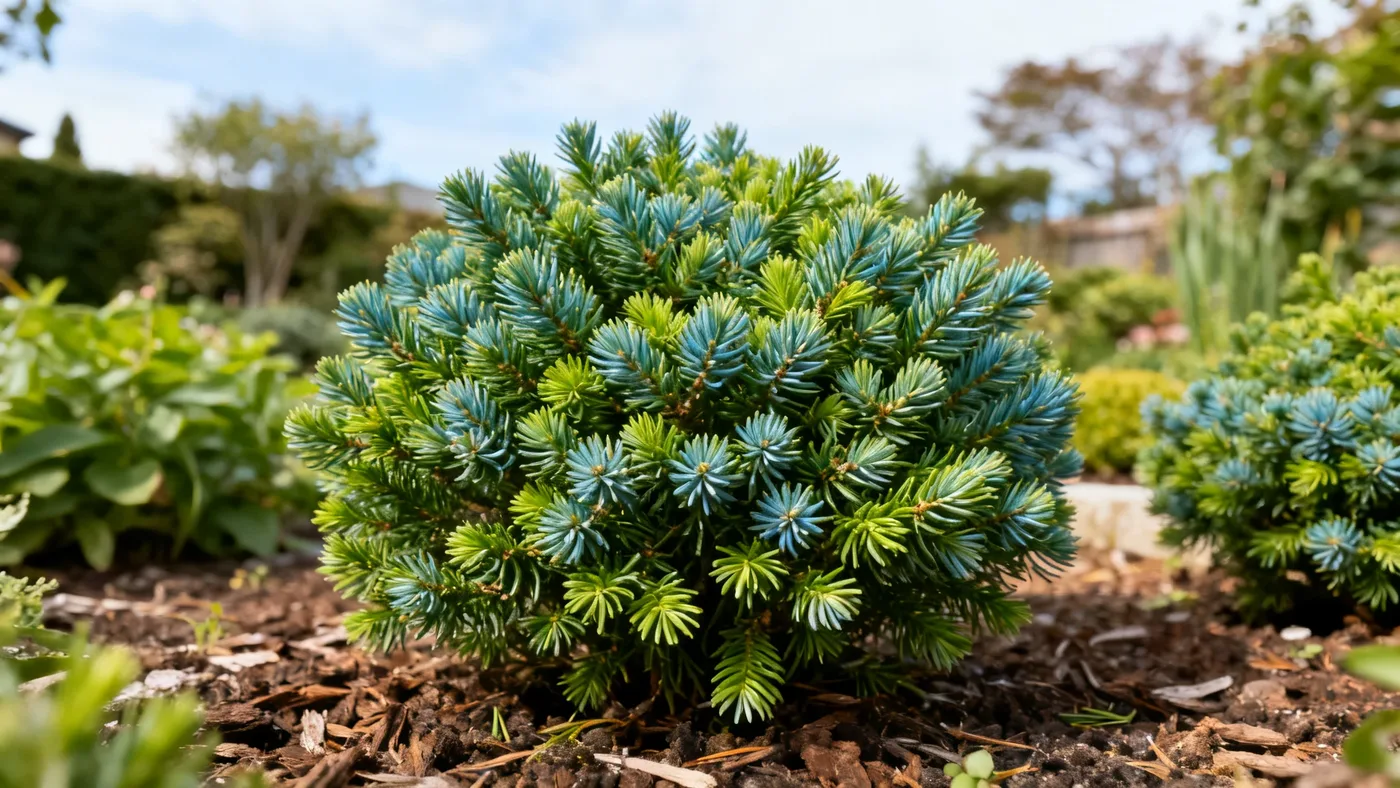
7 Common Dwarf Japanese Cedar Problems and How to Fix Them
Dwarf Japanese Cedar is a forgiving shrub for most gardeners, but like any plant, it can run into trouble when conditions shift. The good news: most problems are preventable, and once you recognize the signs, fixes are straightforward. This guide walks you through the seven most common dwarf japanese cedar problems you'll encounter, what causes them, and exactly what to do.
1. Winter Bronzing: When Your Cedar Turns Purple-Brown
If your dwarf japanese cedar suddenly looks copper or purple-brown in late fall or winter, don't panic. This is the plant's natural response to cold temperatures and is not a disease or sign of dying foliage. The color shift usually begins in November or December and reverses completely by April or May as temperatures rise. You'll see the blue-green color return as the plant greens back up with spring warmth.
This color change happens in zones 5 through 9 because the plant protects itself by concentrating natural pigments in its needles during dormancy. It's a survival mechanism, not damage. Some cultivars bronze more noticeably than others, but all dwarf forms show some winter cast.
What to do: Do nothing. Leave the plant alone. If the sight bothers you, prune away a few bronzed branches for indoor arrangements (the resinous scent is pleasant), but pruning is not required. Winter bronzing will always reverse when temperatures warm.
2. Browning and Scorch: Drought Stress and Wind Damage
Dwarf Japanese Cedar prefers consistently moist soil, especially during its first two growing seasons. Young plants have low drought tolerance and show stress quickly when the soil dries out. Once established (after 2-3 years), they tolerate moderate drought better, but they still prefer regular moisture. Brown or scorched needle tips usually mean the plant has gone too long between waterings, especially in hot weather or when exposed to strong winds.
Wind is a major culprit in zones 5-7 where winter wind speeds can desiccate foliage faster than roots can supply moisture. Salt-laden wind (if you live near the coast or use de-icing salt on nearby driveways) makes browning worse. Drought-stressed plants may drop entire branches or show bleached, tan-colored foliage throughout the canopy.
What to do: Water deeply once or twice per week during dry spells, applying 1 to 2 inches of water per week if rain doesn't fall. For young plants in their first year, water more frequently. Place a 2-inch layer of mulch around the base (keeping it 3 inches away from the stem) to retain soil moisture. If wind exposure is severe, plant a windbreak on the north or west side or relocate the plant to a site with afternoon shade, which reduces water loss and sun scorch.
3. Root Rot from Poor Drainage
The number one killer of dwarf japanese cedar is standing water. This conifer will not survive in soil that stays waterlogged. Root rot develops quickly in clay soils that hold moisture too long or in low spots where water pools after rain. Phytophthora and general root rot fungi thrive in these conditions. Plants affected by root rot show yellowing or bronzing foliage that doesn't reverse with the seasons, slow growth, and eventually collapse and death.
The problem starts below ground. By the time you notice above-ground symptoms, root decay is usually advanced. Poorly drained soil stays at or above saturation for weeks, suffocating the roots and allowing root pathogens to take hold. Dwarf Japanese Cedar soil must be moist but never waterlogged; soil pH should range from 5.0 to 6.5, and drainage is non-negotiable even in acidic, humus-rich mixes.
What to do: Before planting, amend clay soil with compost or peat moss to improve drainage. Dig a planting hole and fill it with water; if water is still sitting after 2 hours, the site has poor drainage and is not suitable. If your plant is already in wet soil, excavate it carefully, prune away any soft or blackened roots, and replant in a new location with better drainage or in a raised bed. Stop watering once the plant is established; rely on rainfall and soil moisture checks (feel the soil 2 inches down; plant only if it feels dry).
4. Spider Mites: Tiny Pests with Big Damage
Spider mites thrive in hot, dry conditions and cause stippled or bleached foliage that looks dusty and loses its color. These microscopic pests feed on the underside of needles, drawing out plant fluids and causing tiny yellow or white spots. In severe infestations, entire branches turn brown and drop. Mites are especially common on plants under heat stress in zones 7-9 or on plants placed against hot walls or pavement.
You may notice fine webbing in the foliage (the spider part of their name) or smell a musty odor when brushing the plant. Mite populations explode in 7-10 days under warm conditions, so early detection matters. Drought-stressed plants are more susceptible because they cannot produce the vigorous new growth needed to outpace damage.
What to do: Spray the plant thoroughly with a strong stream of water from a hose, targeting the underside of needles where mites hide. Repeat every 2-3 days for two weeks. If webbing persists, use horticultural oil or insecticidal soap according to label directions. Some gardeners apply a miticide (miticide products are not the same as insecticides), but start with water and oil first. Always water plants consistently to keep them vigorous; stressed plants are mite magnets.
5. Scale Insects: Hard-to-Spot Bumps on Stems
Scale insects look like tiny bumps or ridges on the stems and branches of dwarf japanese cedar. They're armor-plated pests that stay in one place and suck sap from the plant. An infested plant may show yellowing or thinning foliage and slowed growth. Scales are easy to overlook because they blend in with the bark or mimic bud scars. By the time you notice decline, populations are often established.
Scale insects are most common on plants in shade or with poor air circulation. Unlike spider mites, they don't move around much once they settle. They're tough to kill because their waxy coating shields them from many sprays. Horticultural oil in late winter when the plant is dormant works best because it suffocates overwintering stages before new growth flushes.
What to do: Inspect branches closely; if you see raised bumps that cannot be rubbed off, you have scale. In late winter or very early spring, before new growth starts, spray the entire plant with horticultural oil. This smothers dormant scale and their eggs. If the infestation is light and caught early, rubbing individual scales off with a soft cloth and rubbing alcohol works. For severe infestations, prune out heavily infested branches and dispose of them in the trash (not compost). Follow up with another oil spray 2 weeks later.
6. Bagworms: Spinning Protective Cases
Bagworms are occasional pests on dwarf japanese cedar in zones 5-8. They are moth caterpillars that spin protective silken bags around themselves as they feed. These bags look like small brown cocoons hanging from branches and can contain many caterpillars feeding inside. An affected plant shows ragged holes in foliage and may have 10 to 50 bags visible in the canopy. Light infestations cause little harm, but heavy bagworm populations can defoliate entire branches.
Bagworms are most active from late spring through summer. They hatch in June and feed voraciously through August, dropping from branches as they mature. The bags protect them from most sprays and from predators, making them harder to control once they're established.
What to do: Hand-pick bags from branches from fall through early spring (before April) when caterpillars are dormant inside. This is the easiest and most effective method. Drop bags into soapy water to kill them, or burn them if legal in your area. For heavy infestations in late spring or summer, spray with Bacillus thuringiensis (Bt), an organic insecticide that kills young caterpillars on contact. Avoid broad-spectrum insecticides; they harm beneficial insects and aren't necessary for light infestations.
7. Cercospora Leaf and Twig Blight: A Fungal Disease
Cercospora leaf and twig blight is a fungal disease that causes brown spots on needles and can kill twigs and branches. The disease starts as small tan or brown lesions on foliage, then spreads along the shoots, causing entire branch tips to die back. This happens most often in humid conditions or on plants with poor air circulation. Affected branches look scorched or bleached and may be girdled (killed all the way around the stem) by the fungus.
This disease is most common in zones 7-9 where humidity is high or in compacted plantings where air doesn't flow freely through the canopy. It rarely kills the whole plant but can cause unsightly branch loss and reduce the plant's overall shape and density. The fungus spreads by spores that move via water splash and wind, especially during wet springs.
What to do: Prune away infected branches as soon as you spot them, cutting 6 inches below the diseased area to remove the disease. Disinfect pruning tools between cuts by dipping them in a 10% bleach solution (1 part bleach to 9 parts water). Improve air circulation by thinning the canopy lightly if the plant is very dense. Apply a fungicide labeled for conifers (copper or sulfur-based products work) in late spring and repeat every 10-14 days if conditions stay wet. Avoid overhead watering, which keeps foliage wet. Water at soil level only, early in the morning.
Quick Reference: Dwarf Japanese Cedar Problems at a Glance
| Problem | Symptoms | Cause | Fix |
|---|---|---|---|
| Winter Bronzing | Purple-brown foliage in cold months | Normal seasonal response to cold | No action needed; color reverses in spring |
| Drought Scorch | Brown needle tips, bleached foliage | Dry soil, wind exposure, sun stress | Water deeply 1-2 inches per week; mulch; add windbreak |
| Root Rot | Yellowing, slow growth, branch collapse | Waterlogged soil, poor drainage | Improve drainage; replant in new location; amend soil with compost |
| Spider Mites | Stippled, dusty-looking foliage, fine webbing | Hot, dry conditions | Spray with water and hose; use horticultural oil or insecticidal soap |
| Scale Insects | Bumpy appearance on stems, yellowing foliage | Poor air circulation, shaded locations | Hand-remove scales; spray with horticultural oil in late winter |
| Bagworms | Silken bags on branches, ragged holes in foliage | Moth caterpillars feeding inside protective bags | Hand-pick bags fall through early spring; spray with Bt in summer |
| Cercospora Blight | Brown spots on needles, twig dieback | Fungal infection in humid or crowded conditions | Prune diseased branches; improve air flow; fungicide if severe |
Prevention Is Your Best Defense
Most dwarf japanese cedar problems are preventable with sound planting and basic care. Choose a site with full sun to part shade, well-drained soil that is moist but not waterlogged, and good air circulation. Water young plants regularly (1-2 inches per week) and mulch to retain moisture. Inspect your plant monthly during the growing season for early signs of pests or disease. Prune only in late winter to early spring before new growth flushes, and avoid cutting into bare old wood that won't recover.
For more detailed care instructions, see our complete Dwarf Japanese Cedar care guide. With the right conditions and a little attention, your cedar will grow into a handsome, trouble-free accent shrub for decades.