Dwarf Japanese Cedar FAQ: 12 Questions Answered
Growing Dwarf Japanese Cedar raises practical questions about hardiness, size, care, and landscape fit. This page answers the most common questions home gardeners and landscapers ask, grounded in real-world experience with this slow-growing conifer.
Basics and Identification
What is a Dwarf Japanese Cedar?
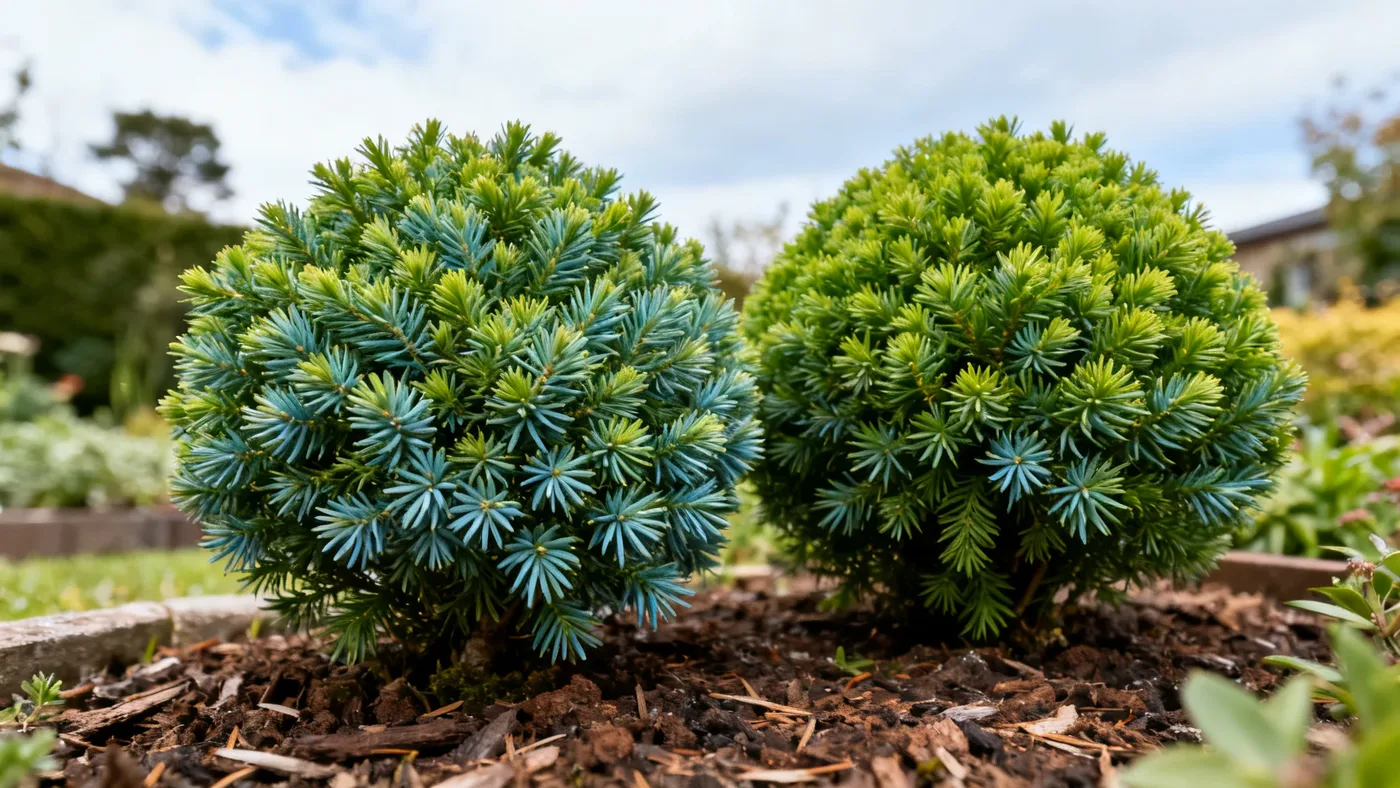
Dwarf Japanese Cedar is a slow-growing evergreen shrub belonging to the Cupressaceae (cypress) family, prized for its dense, rounded mound form and soft blue-green foliage. The plant is a cultivar selection of Cryptomeria japonica, a species native to Japan and parts of southern China, though dwarf forms like this one are nursery-developed, not wild-collected. It produces small, inconspicuous cones but is grown entirely for its sculptural form and winter interest rather than bloom.
What cultivar names refer to Dwarf Japanese Cedar?
The nursery trade often sells this plant generically as "Dwarf Japanese Cedar" or "Dwarf Globe Japanese Cedar," but the most common scientific name is Cryptomeria japonica 'Globosa Nana'. Other dwarf cultivars exist, including 'Tansu,' 'Black Dragon,' 'Vilmoriniana,' and 'Little Diamond.' Before purchasing, confirm the cultivar tag with your nursery, as mature size and hardiness can shift depending on which exact cultivar you receive.
What does the foliage look like?
Dwarf Japanese Cedar has soft, awl-shaped needles arranged in dense whorled sprays that form a tight, mounded globe. The foliage is typically blue-green to medium green during the growing season, creating a uniform, sculptural appearance that requires no formal shearing to maintain.
Hardiness and Climate
What USDA zones is Dwarf Japanese Cedar hardy in?
Dwarf Japanese Cedar thrives in USDA zones 5 through 9. If you're unsure of your zone, check your local extension service or use the USDA Plant Hardiness Zone Map. For zone-specific growing information, see our hardiness guide.
Why does my Dwarf Japanese Cedar turn bronze or purple in winter?
Winter bronzing and purpling is a normal, healthy seasonal color shift, not a sign of disease or stress. As temperatures drop, the foliage develops this bronze-purple cast, which typically reverses to green by late spring as weather warms. This color change is one of the plant's appealing winter attributes and indicates the plant is adapting to cold dormancy.
Does Dwarf Japanese Cedar tolerate salt spray or de-icing salt?
No. Dwarf Japanese Cedar has low salt tolerance and should be avoided in coastal salt spray zones or areas where de-icing salts drift onto foliage or soil. If you live near the coast or use road salt, site the plant well away from salt sources or choose a salt-tolerant alternative.
Size and Growth Rate
How large does Dwarf Japanese Cedar grow?
Mature specimens typically reach 3 to 6 feet in height and 4 to 6 feet in width, forming a dense, rounded mound. Exact size varies by cultivar and climate; some specimens continue growing slowly for decades and may eventually exceed these figures after 20 or more years.
How fast does Dwarf Japanese Cedar grow?
Growth is slow, averaging roughly 3 to 6 inches per year under good conditions. This gradual pace makes it well-suited to foundation plantings and rock gardens where you want controlled, long-term form rather than rapid screening.
How long does it take to reach mature size?
Dwarf Japanese Cedar typically takes 10 to 15 years to develop into a substantial, mature mound given its slow growth habit. Patience is part of the appeal; the plant's longevity means your investment rewards you for decades.
Planting and Location
How much sun does Dwarf Japanese Cedar need?
Dwarf Japanese Cedar performs best in full sun to part shade. In hot or dry climates, some afternoon shade helps reduce foliage scorch and water stress, though the plant still needs adequate light to maintain its dense form.
What soil conditions does it prefer?
Dwarf Japanese Cedar thrives in moist, humus-rich, well-drained soil with an acidic pH of roughly 5.0 to 6.5. It tolerates clay soil if drainage is adequate but dislikes standing water, which can lead to root rot. Amend heavy soils with compost or peat moss before planting to improve both drainage and acid levels.
How far apart should I plant multiple Dwarf Japanese Cedars?
Space plants 4 to 6 feet apart for foundation plantings or mass groupings. This spacing allows air circulation, reduces pest and disease pressure, and gives each plant room to develop its natural mounded form without crowding.
When is the best time to plant?
Plant in spring or early fall, allowing the root system time to establish before temperature extremes. Fall planting works well in milder zones; spring planting is safer in colder zones where plants need a full growing season to harden off before winter.
Watering and Feeding
How often should I water Dwarf Japanese Cedar?
Dwarf Japanese Cedar prefers consistently moist soil, especially while establishing. Water regularly during the first year and during dry spells; once well-established, it can tolerate moderate drought but remains less drought-hardy than many conifers. Check soil moisture at the root zone and water when the top inch feels dry.
Is Dwarf Japanese Cedar drought tolerant?
Drought tolerance is low to moderate once the plant is well-established, and poor while young. Young plants are particularly vulnerable to scorch and stress during dry periods, so consistent water in the first 1 to 2 years is essential for success.
Do I need to fertilize?
Light annual feeding in early spring with a balanced or acid-formulated fertilizer (such as azalea or rhododendron formulations) is sufficient. Avoid over-fertilizing, which can reduce cold hardiness and promote excessive soft growth. If your soil is already rich in organic matter, fertilizing may not be necessary.
Pruning and Maintenance
Does Dwarf Japanese Cedar need pruning?
Minimal pruning is needed. The plant naturally maintains a tight, mounded form without formal shearing. Light cleanup of dead or damaged branches is fine, but unnecessary pruning can spoil the plant's natural appearance.
When and how should I prune if shaping is desired?
If you wish to shape the plant, prune in late winter to early spring before new growth begins. Avoid cutting deeply into bare old wood, as it may not resprout. Keep cuts light and work with the plant's natural form rather than forcing severe formal shearing.
Pests and Diseases
What pests affect Dwarf Japanese Cedar?
Spider mites, scale insects, and occasionally bagworms can trouble this plant, particularly in hot, dry conditions. Regular monitoring and prompt removal of infested branches minimize damage. Spider mites thrive in drought stress, making consistent watering a preventive measure.
What diseases should I watch for?
Cercospora leaf and twig blight, root rot in poorly drained soil, and Phytophthora root rot in wet sites are the primary disease concerns. All are preventable through proper siting (well-drained soil), adequate spacing for air circulation, and avoiding waterlogged conditions.
What causes browning or scorch on the foliage?
Browning and scorch typically result from drought stress, strong wind exposure, or waterlogged roots. Ensure consistent (not waterlogged) soil moisture and site the plant where it has some protection from harsh wind and intense midday heat in very hot climates.
Safety and Toxicity
Is Dwarf Japanese Cedar toxic to pets or people?
No. Dwarf Japanese Cedar is not known to be toxic to pets, children, or people. It is safe for landscapes where pets roam or children play, though the resinous foliage scent (mild cedar aroma when crushed) may be noticeable to sensitive noses.
Lifespan and Durability
How long does Dwarf Japanese Cedar live?
Dwarf Japanese Cedar is long-lived, commonly reaching 50 or more years with good siting and basic care. Many specimens planted decades ago in established landscapes continue thriving, making this a worthy investment for generational gardens.
How do I ensure my Dwarf Japanese Cedar stays healthy long-term?
With proper siting (well-drained soil, full sun to part shade, adequate spacing), Dwarf Japanese Cedar shows strong resilience. Problems arise primarily in stressed or poorly sited plants. For detailed care strategies, review our complete care guide.
Landscape Design and Uses
What are the best uses for Dwarf Japanese Cedar in the landscape?
Dwarf Japanese Cedar excels as a foundation planting, accent specimen shrub, rock garden feature, and component of mixed conifer or shrub borders. Its soft texture and year-round form make it particularly valuable in Asian-inspired garden designs and entry plantings where year-round interest matters.
Can Dwarf Japanese Cedar grow in containers?
Yes, it is well-suited to containers, particularly while young and small. Dwarf Japanese Cedar is commonly sold in #3 containers and thrives in pots for years. Large specimens will eventually need transplanting or root management as they mature, but containerized plants offer flexibility for patios and deck gardens.
What plants pair well with Dwarf Japanese Cedar?
Dwarf Japanese Cedar complements Japanese maple, azalea, hosta, fern, and other acid-loving shade plants. Its fine-textured foliage contrasts beautifully with larger-leaved companions and works well in mixed conifer groupings.
Does Dwarf Japanese Cedar attract wildlife?
Dwarf Japanese Cedar offers minimal pollinator value (it is wind-pollinated) but provides dense evergreen shelter and cover for small birds and beneficial insects. This shelter value alone makes it valuable in wildlife-friendly landscapes.
Quick Reference
| Attribute | Details |
|---|---|
| USDA Hardiness Zones | 5-9 |
| Mature Height | 3-6 ft (varies by cultivar) |
| Mature Width | 4-6 ft, dense mound |
| Growth Rate | Slow, 3-6 inches per year |
| Years to Maturity | 10-15 years |
| Sun Requirements | Full sun to part shade |
| Soil Preference | Moist, humus-rich, well-drained, acidic (pH 5.0-6.5) |
| Water Needs | Medium/regular; consistently moist |
| Drought Tolerance | Low to moderate (once established) |
| Salt Tolerance | Low |
| Planting Spacing | 4-6 ft apart |
| Winter Foliage Color | Bronze-purple (seasonal, normal) |
| Lifespan | 50+ years |
| Toxicity | Not toxic to pets or people |
| Container Growing | Yes, especially while young |